

Chronic pain represents a persistent medical condition that requires systematic understanding for effective management. Chronic pain originates from multiple sources, including degenerative joint diseases such as arthritis, fibromyalgia, and inadequately healed injuries. Medical research demonstrates that chronic pain functions as a distinct condition rather than simply a symptom, involving complex interactions between physical pathology, neurological processes, and psychological responses.
Identifying the underlying mechanisms of chronic pain requires comprehensive evaluation of contributing factors. Documentation through symptom tracking provides valuable data for healthcare providers to analyze pain patterns, environmental triggers, and activity-related fluctuations. This systematic approach enables identification of specific circumstances that intensify pain episodes.
The pathophysiology of chronic pain involves several biological processes, including peripheral nerve damage, central sensitization, and inflammatory responses. Nerve damage can result in altered pain signal transmission, while inflammation contributes to tissue sensitivity and pain amplification. Understanding these mechanisms enables patients and healthcare providers to select evidence-based treatment approaches tailored to specific pain pathways and underlying conditions.
Key Takeaways
- Identifying the root cause of chronic pain is essential for effective treatment.
- Professional guidance can provide tailored strategies for managing chronic pain.
- Alternative therapies and mind-body techniques offer additional relief options.
- A healthy lifestyle and strong support system play crucial roles in coping with chronic pain.
- Developing a personalized pain management plan ensures long-term relief and improved quality of life.
Seeking Professional Help for Chronic Pain Management
When it comes to managing chronic pain, seeking professional help is crucial. You may feel overwhelmed by the myriad of options available, but consulting with healthcare professionals can provide clarity and direction. Start by scheduling an appointment with your primary care physician, who can assess your condition and refer you to specialists if necessary.
Pain management specialists, physical therapists, and psychologists can all play vital roles in your treatment plan. Each professional brings a unique perspective and expertise that can contribute to a comprehensive approach to your pain management. In addition to traditional medical interventions, consider exploring multidisciplinary clinics that focus on chronic pain management.
These facilities often combine various treatment modalities, including medication management, physical therapy, and psychological support, all under one roof. This integrated approach can lead to more effective outcomes as it addresses the multifaceted nature of chronic pain. Remember, you are not alone in this journey; there are professionals dedicated to helping you navigate the complexities of your condition.
Exploring Alternative Therapies for Chronic Pain Relief
As you seek relief from chronic pain, exploring alternative therapies can offer additional avenues for comfort and healing. Many individuals find success with practices such as acupuncture, chiropractic care, or massage therapy. These modalities can help alleviate tension in the body and promote relaxation, which may reduce the intensity of your pain.
It’s essential to approach these therapies with an open mind and a willingness to experiment; what works for one person may not work for another. In addition to physical therapies, consider incorporating holistic approaches such as yoga or meditation into your routine. These practices not only promote physical flexibility and strength but also foster mental resilience.
Engaging in mindfulness techniques can help you cultivate a greater awareness of your body and its signals, allowing you to respond more effectively to pain when it arises. By embracing a variety of alternative therapies, you can create a well-rounded approach to managing your chronic pain.
Adopting a Healthy Lifestyle to Manage Chronic Pain
Your lifestyle choices play a significant role in how you experience and manage chronic pain. Adopting a healthy lifestyle can enhance your overall well-being and potentially reduce the severity of your symptoms. Start by focusing on nutrition; a balanced diet rich in anti-inflammatory foods—such as fruits, vegetables, whole grains, and healthy fats—can support your body’s healing processes.
Staying hydrated is equally important; water helps maintain optimal bodily functions and can aid in reducing inflammation. In addition to nutrition, regular physical activity is crucial for managing chronic pain. While it may seem counterintuitive to exercise when you’re in pain, gentle movement can actually help improve flexibility and strength while releasing endorphins—your body’s natural pain relievers.
Consider low-impact activities like walking, swimming, or cycling that allow you to stay active without exacerbating your discomfort. By prioritizing a healthy lifestyle, you empower yourself to take control of your chronic pain management journey.
Building a Support System for Coping with Chronic Pain
| Metric | Description | Typical Range/Value | Measurement Method |
|---|---|---|---|
| Pain Intensity Reduction | Decrease in reported pain levels after treatment | 30% – 70% reduction on pain scale | Visual Analog Scale (VAS), Numeric Rating Scale (NRS) |
| Duration of Pain Relief | Length of time pain relief lasts post-treatment | 4 hours to several weeks | Patient self-report, clinical follow-up |
| Functional Improvement | Increase in ability to perform daily activities | 10% – 50% improvement in function scores | Oswestry Disability Index, SF-36 |
| Medication Usage Reduction | Decrease in use of pain medications | 20% – 60% reduction in dosage or frequency | Prescription records, patient logs |
| Quality of Life Improvement | Enhancement in overall well-being and mood | Improvement in standardized QoL scores | SF-36, EQ-5D questionnaires |
| Adverse Effects Rate | Incidence of side effects from pain relief treatments | 5% – 25% depending on treatment type | Clinical monitoring, patient reports |
Coping with chronic pain can be isolating, but building a strong support system can make a significant difference in your experience. Surrounding yourself with understanding friends and family members who empathize with your struggles can provide emotional comfort and encouragement. Don’t hesitate to communicate openly about your condition; sharing your feelings and experiences can foster deeper connections and help others understand what you’re going through.
In addition to personal relationships, consider joining support groups or online communities where individuals share similar experiences with chronic pain. These platforms offer a safe space for discussing challenges, exchanging coping strategies, and celebrating victories—no matter how small they may seem. Connecting with others who truly understand your journey can alleviate feelings of loneliness and provide valuable insights into managing your condition.
Incorporating Mind-Body Techniques for Chronic Pain Management

Mind-body techniques are powerful tools in the realm of chronic pain management. Practices such as mindfulness meditation, guided imagery, and deep breathing exercises can help you cultivate a sense of calm and reduce stress levels. When you learn to focus on the present moment rather than dwelling on past discomfort or future uncertainties, you may find that your perception of pain shifts.
These techniques encourage relaxation and can help break the cycle of anxiety that often accompanies chronic pain. Additionally, consider exploring biofeedback therapy as a way to gain greater control over your body’s responses to pain. This technique involves using sensors to monitor physiological functions such as heart rate and muscle tension, allowing you to develop strategies for relaxation and pain reduction.
By incorporating mind-body techniques into your daily routine, you create a holistic approach that addresses both the physical and emotional aspects of chronic pain.
Managing Medications for Long-Term Chronic Pain Relief
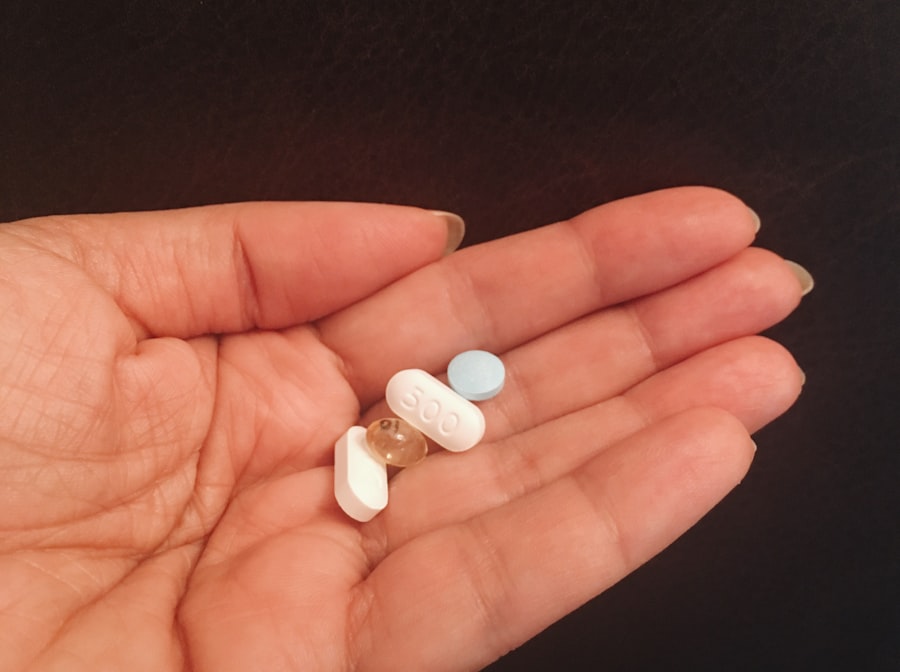
When it comes to managing chronic pain through medication, it’s essential to approach this aspect with caution and awareness. While medications can provide significant relief, they also come with potential side effects and risks of dependency. Work closely with your healthcare provider to develop a medication plan tailored to your specific needs.
This may involve a combination of over-the-counter pain relievers, prescription medications, or even topical treatments. Regularly reassess your medication regimen with your doctor to ensure its effectiveness and safety over time. As your body changes or as new treatments become available, adjustments may be necessary.
Additionally, consider discussing non-pharmacological options alongside medication; integrating therapies such as physical therapy or cognitive-behavioral therapy can enhance the overall effectiveness of your pain management strategy.
Creating a Personalized Chronic Pain Management Plan
Ultimately, creating a personalized chronic pain management plan is key to navigating this complex journey effectively. Begin by identifying your specific goals for managing pain—whether it’s reducing discomfort during daily activities or improving overall quality of life. Collaborate with healthcare professionals to outline a comprehensive plan that incorporates medical treatments, alternative therapies, lifestyle changes, and mind-body techniques.
Regularly review and adjust your plan as needed; chronic pain is often dynamic, requiring flexibility in your approach. Keep track of what works best for you through journaling or using apps designed for chronic pain management. By taking an active role in developing and refining your plan, you empower yourself to face the challenges of chronic pain with resilience and determination.
In conclusion, managing chronic pain is a multifaceted journey that requires understanding its sources, seeking professional help, exploring alternative therapies, adopting healthy lifestyle choices, building support systems, incorporating mind-body techniques, managing medications wisely, and creating personalized plans. By embracing these strategies holistically, you can take significant steps toward reclaiming control over your life despite the challenges posed by chronic pain. Remember that every individual’s experience is unique; what works for one person may not work for another.
Stay patient with yourself as you navigate this path toward relief and healing.