
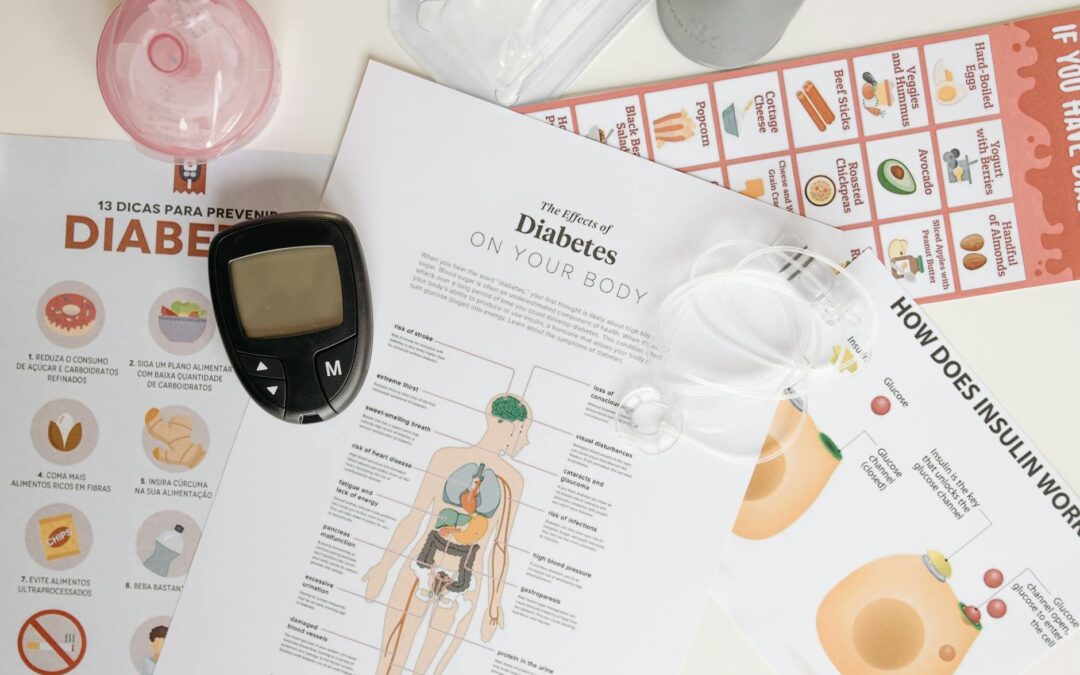
Discover innovative strategies to thrive with diabetes! Uncover hidden tips, tasty recipes, and support that make managing your condition easier.

Table of Contents
As we age, maintaining our health often becomes a primary focus. Understanding how to manage conditions like diabetes while also caring for our heart health is crucial for seniors. This blog post will explore the connections between heart health and diabetes, offering tips for nurturing both through diet, lifestyle changes, and wellness practices.
Understanding Heart Health and Diabetes in Seniors
Heart health plays a vital role in the overall well-being of seniors. As the body’s main blood-pumping organ, the heart is essential for supplying oxygen and nutrients to tissues while removing waste products. However, heart disease is prevalent among older adults, and the risk increases with age. Conditions such as high blood pressure, high cholesterol, and diabetes can contribute significantly to heart disease.
Diabetes, characterized by elevated blood sugar levels, can exacerbate heart health issues. The two conditions are closely related; individuals with diabetes are at a higher risk for developing cardiovascular diseases. Over time, high blood sugar can damage blood vessels and nerves that control the heart, increasing the likelihood of a heart attack or stroke. Therefore, understanding how these two systems interact is essential for seniors in managing their health.
Recognizing the signs and symptoms of heart disease and diabetes is equally important. Common symptoms may include shortness of breath, chest pain, fatigue, increased thirst, frequent urination, and blurred vision. Early intervention can make a significant difference in outcomes, stressing the need for regular health check-ups.
Importance of a Heart-Healthy Diet
A heart-healthy diet is fundamentally important for seniors looking to improve their well-being. Foods rich in whole grains, fruits, vegetables, lean proteins, and healthy fats form the backbone of a balanced diet. These foods can lower cholesterol levels, reduce blood pressure, and help manage weight, contributing to overall heart health.
For seniors with diabetes, understanding the glycemic index (GI) of foods is crucial. Foods with a low GI value raise blood sugar levels slowly, leading to better control of blood sugar. On the other hand, high GI foods cause spikes in blood sugar and can lead to complications. Incorporating low GI foods, such as whole grains, legumes, and most fruits and vegetables, can be beneficial.
Conversely, certain foods should be avoided to manage heart health and diabetes effectively. Limit the intake of processed foods high in sugars, saturated fats, and trans fats. Sodas, candy, pastries, and white bread should be minimized in favor of healthier options. Making small, consistent changes in your daily diet can lead to significant long-term benefits.
Creating a Diabetes-Friendly Meal Plan
When managing diabetes, it is essential to create a balanced meal plan that addresses both heart health and blood sugar levels. A well-thought-out meal schedule can ensure adequate nutrition and help maintain stable blood sugar. Aim for a diet that includes a variety of food groups, incorporating balanced meals and healthy snacks every few hours to help maintain energy levels.
Portion control is another key aspect of managing diabetes. Keeping track of serving sizes can help seniors avoid overeating, which is essential for blood sugar management. Consider incorporating visual aids or using measuring tools to understand appropriate portion sizes better.
Regular mealtimes contribute to a stable routine that aids in blood sugar control. Avoiding high-sugar foods is important; consider healthier alternatives that satisfy cravings without spiking blood sugar. Whole fruits instead of fruit juices, whole grain snacks instead of chips, and unsweetened yogurt are excellent choices.
Hydration is equally important. Drinking water throughout the day supports overall health and can help manage blood sugar levels. Herbal teas and other low-calorie beverages can also be included in the diet.
Integrating Physical Activity into Daily Life
Physical activity plays a crucial role in maintaining heart health and controlling diabetes. Regular exercise helps reduce the risk of cardiovascular disease, lower blood sugar levels, and manage weight. For seniors, engaging in physical activity can be low-impact, such as walking, swimming, or practicing yoga, which can also improve flexibility and balance.
Creating a personalized workout plan that considers your health status and fitness level is essential. Beginning with short, manageable sessions and gradually increasing the intensity is key. Aiming for at least 150 minutes of moderate-intensity exercise weekly is a reasonable goal that can lead to substantial health benefits.
Safety is paramount while exercising. Always consult with a healthcare provider before starting a new exercise program, especially if you have pre-existing health conditions. Additionally, incorporate enjoyable activities into your routine, making physical fitness a fun part of daily life.
Monitoring and Managing Health
Being proactive in healthcare is vital for seniors managing diabetes and heart health. Regular check-ups increase the opportunity to monitor blood pressure, cholesterol, and blood sugar levels, allowing for timely interventions if necessary. Scheduling consistent visits with your healthcare provider is essential for optimal management.
Utilizing technology can further aid in health monitoring. Various apps and devices allow individuals to track their blood sugar levels, physical activity, and diet, providing insights that can inform necessary lifestyle adjustments. Keeping detailed records helps to identify patterns that can inform discussions with healthcare providers.
Recognizing signs that indicate a need for medical consultation is crucial. Should you experience extreme fatigue, changes in vision, or unusual symptoms, seek medical advice promptly. Medication management is also essential; always adhere to prescribed treatment plans and discuss any concerns regarding medications with your doctor.
Cultivating a Supportive Lifestyle
Maintaining a supportive lifestyle is essential for achieving optimal health outcomes with diabetes and heart issues. Emotional and mental health significantly influence physical well-being, with social connections serving as a vital element. Engaging with friends, family, and community groups provides emotional support and encouragement to stay active and healthy.
Managing stress is equally important, as chronic stress can adversely affect both blood sugar levels and heart health. Techniques such as mindfulness, meditation, or simple breathing exercises can help mitigate stress and promote a sense of calm. Establishing routines that include relaxation and enjoyable activities can foster mental wellness.
Finding hobbies and activities that nourish the mind and spirit can contribute to an overall sense of well-being. Participating in arts and crafts, gardening, or volunteer work can offer fulfillment and social interaction. Additionally, leveraging community resources, such as health workshops or support groups, can provide valuable education and encouragement for managing health conditions.
In conclusion, managing diabetes and heart health presents challenges for seniors, but with informed choices, a balanced diet, regular physical activity, and a supportive lifestyle, it is possible to enhance overall wellness. Embracing a proactive approach to health can lead to a fulfilling and active life while navigating these conditions. Start today by incorporating these tips into your routine, and take charge of your heart and diabetes management.
“`