
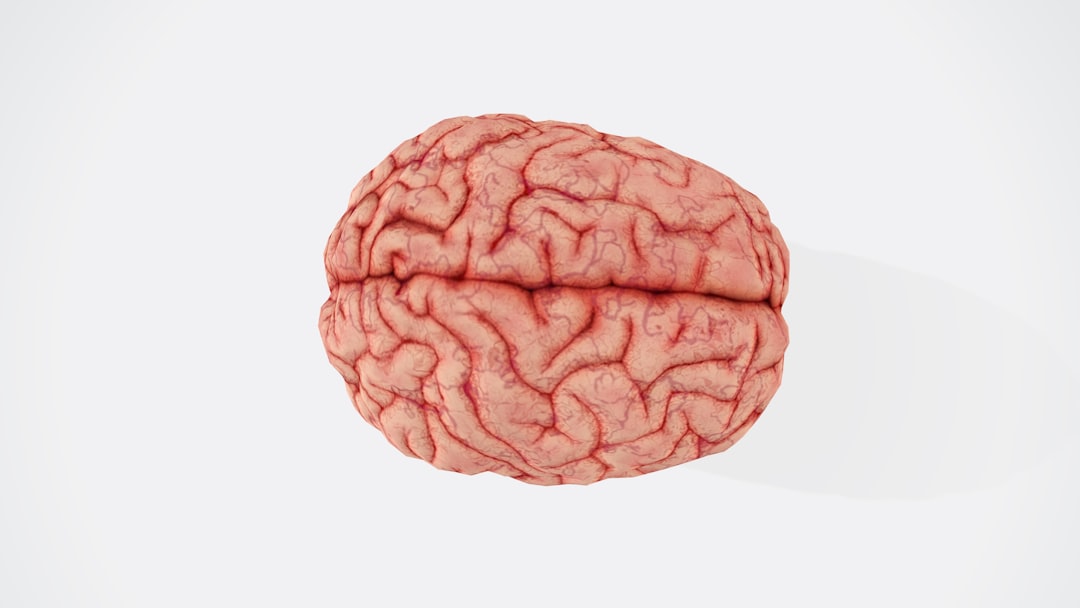
As individuals age, maintaining brain health becomes increasingly vital. The aging process can lead to cognitive decline, which may manifest as memory loss, decreased problem-solving abilities, and slower processing speeds. These changes can significantly impact daily life, affecting independence and quality of life. Therefore, prioritizing brain health in seniors is essential not only for cognitive function but also for overall well-being. A healthy brain supports emotional stability, enhances social interactions, and contributes to a more fulfilling life.
Moreover, the prevalence of neurodegenerative diseases such as Alzheimer’s and other forms of dementia underscores the need for proactive measures to support brain health. Research indicates that lifestyle choices made in midlife and later years can influence the risk of developing these conditions. By focusing on brain health, seniors can potentially delay the onset of cognitive decline and improve their resilience against age-related neurological disorders. This proactive approach can empower seniors to take charge of their cognitive health and maintain their independence for longer periods.
Key Takeaways
- Maintaining brain health is crucial for seniors to preserve cognitive function and quality of life.
- A balanced diet rich in nutrients supports optimal brain function and reduces cognitive decline.
- Regular physical exercise enhances brain health by improving blood flow and neuroplasticity.
- Engaging in mental stimulation and social activities promotes cognitive resilience and emotional well-being.
- Adequate sleep, stress management, and professional intervention are key to managing and preventing cognitive decline.
Healthy Diet for Brain Function
A balanced diet plays a crucial role in supporting brain function, particularly in seniors. Nutrients such as omega-3 fatty acids, antioxidants, vitamins, and minerals are essential for maintaining cognitive health. Foods rich in omega-3s, such as fatty fish, walnuts, and flaxseeds, have been linked to improved memory and cognitive performance. Antioxidants found in fruits and vegetables help combat oxidative stress, which can damage brain cells over time. Incorporating a variety of colorful produce into the diet can provide these protective benefits.
In addition to specific nutrients, overall dietary patterns are important. The Mediterranean diet, characterized by high consumption of fruits, vegetables, whole grains, lean proteins, and healthy fats, has been associated with a lower risk of cognitive decline. This dietary approach not only supports brain health but also promotes cardiovascular health, which is closely linked to cognitive function. By adopting a healthy eating pattern, seniors can enhance their brain health while also enjoying a diverse and satisfying diet.
Regular Physical Exercise for Brain Health
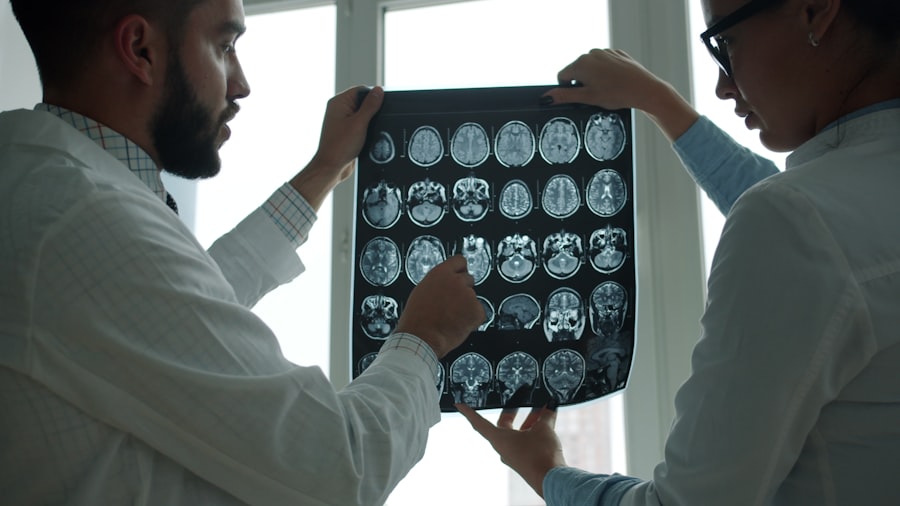
Physical exercise is another critical component of maintaining brain health in seniors. Engaging in regular physical activity has been shown to improve blood flow to the brain, which is essential for delivering oxygen and nutrients necessary for optimal function. Exercise also stimulates the release of neurotrophic factors that promote the growth of new neurons and synapses, enhancing cognitive abilities. Activities such as walking, swimming, or dancing can be particularly beneficial for seniors, as they are often low-impact and adaptable to various fitness levels.
Furthermore, exercise has been linked to improved mood and reduced symptoms of anxiety and depression, which can further support cognitive health. The social aspect of group exercise classes or community sports can also foster connections among seniors, contributing to emotional well-being. By incorporating regular physical activity into their routines, seniors can not only enhance their physical health but also bolster their cognitive function and overall quality of life.
Mental Stimulation and Cognitive Activities
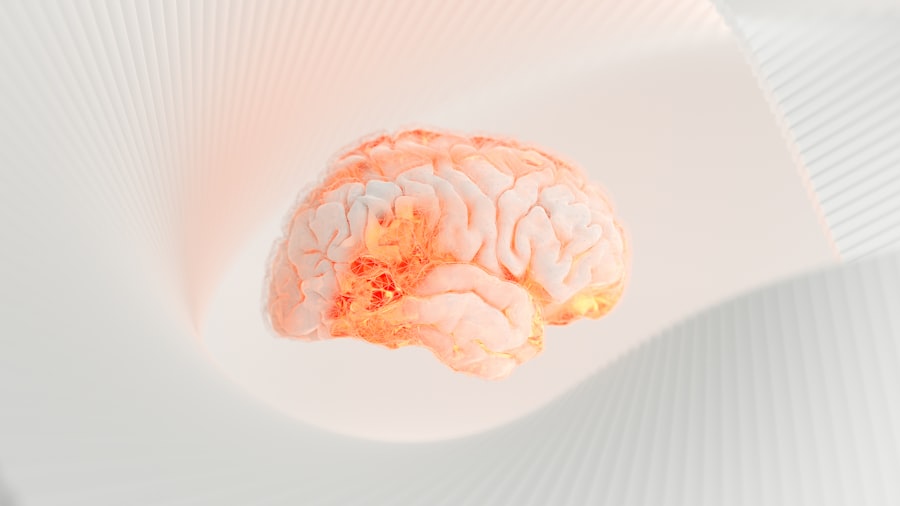
Engaging in mental stimulation is essential for preserving cognitive function in seniors. Activities that challenge the brain—such as puzzles, reading, learning new skills, or playing musical instruments—can help maintain and even improve cognitive abilities. Research suggests that mentally stimulating activities can create cognitive reserves that protect against age-related decline. By regularly engaging in these activities, seniors can keep their minds sharp and agile.
Moreover, technology offers new avenues for mental stimulation. Online courses, brain-training apps, and interactive games provide accessible options for seniors to engage their minds in novel ways. These tools can be particularly appealing as they often incorporate elements of fun and competition. By diversifying their mental activities and embracing new challenges, seniors can foster a lifelong love of learning while simultaneously supporting their cognitive health.
Social Interaction and Emotional Well-being
| Brain-Boosting Tip | Description | Recommended Frequency | Expected Benefit |
|---|---|---|---|
| Regular Physical Exercise | Engage in aerobic activities like walking or swimming to improve blood flow to the brain. | At least 150 minutes per week | Enhanced memory and cognitive function |
| Mental Stimulation | Participate in puzzles, reading, or learning new skills to challenge the brain. | Daily, 30 minutes | Improved problem-solving and mental agility |
| Healthy Diet | Consume foods rich in antioxidants, omega-3 fatty acids, and vitamins. | Daily | Reduced risk of cognitive decline |
| Social Engagement | Maintain social connections through clubs, volunteering, or family activities. | Weekly | Lower risk of depression and improved brain health |
| Quality Sleep | Ensure 7-8 hours of restful sleep to support memory consolidation. | Nightly | Better concentration and memory retention |
| Stress Management | Practice relaxation techniques such as meditation or deep breathing. | Daily | Reduced cognitive impairment related to stress |
| Regular Health Check-ups | Monitor blood pressure, cholesterol, and other health markers. | Annually or as advised | Early detection and prevention of brain-related conditions |
Social interaction is a key factor in maintaining emotional well-being and cognitive health among seniors. Engaging with friends and family can provide emotional support and reduce feelings of loneliness and isolation, which are common among older adults. Studies have shown that strong social connections are associated with better cognitive function and a lower risk of dementia. Participating in community activities or joining clubs can help seniors build relationships and stay socially active.
Additionally, social interactions often involve communication skills that stimulate cognitive processes such as memory recall and problem-solving. Conversations with others require active engagement and mental agility, which can help keep the brain functioning optimally. By prioritizing social connections and seeking out opportunities for interaction, seniors can enhance both their emotional well-being and cognitive resilience.
Adequate Sleep and Stress Management
Adequate sleep is crucial for maintaining brain health in seniors. Sleep plays a vital role in memory consolidation and overall cognitive function. During sleep, the brain processes information gathered throughout the day and clears out toxins that accumulate during waking hours. Insufficient sleep can lead to cognitive impairments such as memory loss and decreased attention span. Therefore, establishing a consistent sleep routine is essential for seniors aiming to support their brain health.
In addition to sleep quality, managing stress is equally important for cognitive function. Chronic stress can negatively impact the brain by increasing inflammation and disrupting neural connections. Techniques such as mindfulness meditation, yoga, or deep-breathing exercises can help seniors manage stress effectively. By prioritizing both sleep hygiene and stress management strategies, seniors can create an environment conducive to optimal brain function.
Brain-Boosting Supplements and Vitamins
While a healthy diet should be the primary source of nutrients for brain health, some seniors may consider supplements to support cognitive function further. Omega-3 fatty acids, found in fish oil supplements, have been shown to have potential benefits for brain health. Additionally, vitamins such as B-complex vitamins (including B6, B12, and folic acid) play a role in maintaining cognitive function by supporting neurotransmitter synthesis and reducing homocysteine levels associated with cognitive decline.
However, it is essential for seniors to consult healthcare professionals before starting any supplement regimen. Individual needs may vary based on existing health conditions or medications being taken. A healthcare provider can offer guidance on appropriate dosages and potential interactions with other treatments. While supplements may offer additional support for brain health, they should complement—not replace—a balanced diet rich in whole foods.
Seeking Professional Help for Cognitive Decline
As cognitive decline becomes a concern for some seniors, seeking professional help is crucial for early intervention and management. Healthcare providers can conduct assessments to determine the extent of cognitive impairment and recommend appropriate interventions or therapies. Early diagnosis allows for timely treatment options that may slow progression or improve quality of life.
In addition to medical professionals, support groups or counseling services can provide valuable resources for both seniors experiencing cognitive decline and their caregivers. These services offer emotional support and practical strategies for coping with the challenges associated with cognitive changes. By proactively seeking help when needed, seniors can navigate the complexities of aging with greater confidence and support.
In conclusion, maintaining brain health in seniors involves a multifaceted approach that includes a healthy diet, regular physical exercise, mental stimulation, social interaction, adequate sleep, stress management, consideration of supplements, and professional guidance when necessary. By prioritizing these aspects of health, seniors can enhance their cognitive function and overall quality of life as they age.