

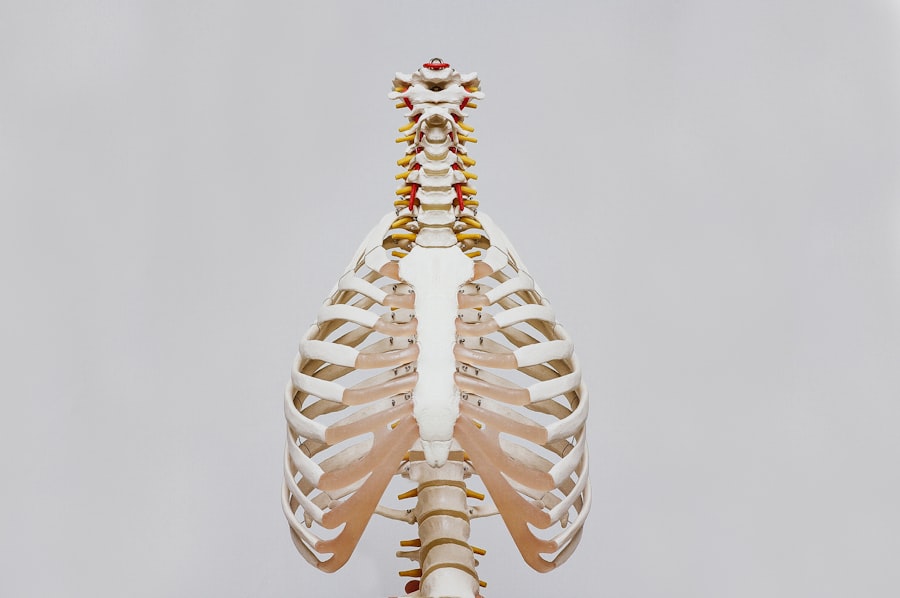
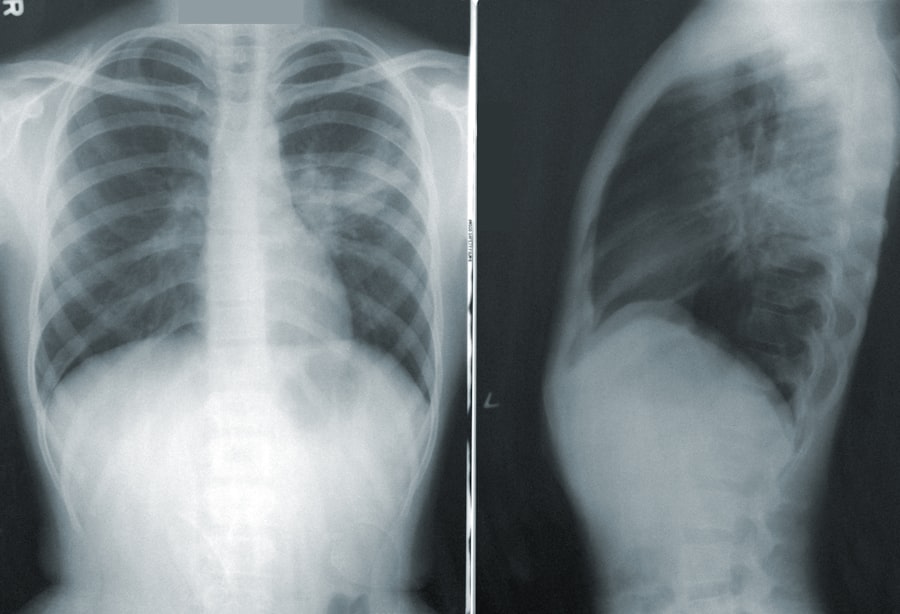
Bone density refers to the amount of mineral matter per square centimeter of bone, which is a critical factor in determining bone strength and overall skeletal health. As individuals age, bone density typically decreases due to a combination of hormonal changes, nutritional deficiencies, and reduced physical activity. This decline can lead to conditions such as osteoporosis, where bones become fragile and more susceptible to fractures. Understanding the relationship between aging and bone density is essential for developing effective strategies to maintain bone health throughout life.
The aging process affects both men and women, although women are particularly at risk for significant bone loss after menopause due to decreased estrogen levels. This hormonal shift accelerates the rate of bone resorption, where the body breaks down bone tissue faster than it can be rebuilt. Additionally, factors such as inadequate calcium and vitamin D intake, sedentary lifestyles, and certain medical conditions can further exacerbate the decline in bone density. Recognizing these factors is crucial for implementing preventive measures that can help mitigate the effects of aging on bone health.
Key Takeaways
- Bone density naturally decreases with age, increasing fracture risk.
- Weight-bearing and resistance exercises are crucial for maintaining and improving bone strength.
- Balance and coordination exercises help prevent falls, reducing injury risk.
- Flexibility exercises support joint health and overall bone function.
- Combining various exercise types safely maximizes bone health benefits.
Importance of Exercise for Bone Health
Exercise plays a vital role in maintaining and improving bone health, particularly as individuals age. Engaging in regular physical activity stimulates bone formation and helps to slow down the rate of bone loss. Weight-bearing and resistance exercises are particularly effective in promoting bone density because they create mechanical stress on the bones, prompting them to adapt and strengthen. This adaptation is essential for maintaining a healthy skeletal system and reducing the risk of fractures.
Moreover, exercise contributes to overall health by improving muscle strength, balance, and coordination. These factors are critical in preventing falls, which are a leading cause of fractures in older adults. By incorporating exercise into daily routines, individuals can enhance their physical capabilities and reduce the likelihood of injuries related to weakened bones. Therefore, understanding the importance of exercise is fundamental for anyone looking to preserve their bone health as they age.
Weight-Bearing Exercises for Bone Density
Weight-bearing exercises are activities that require individuals to work against gravity while standing or moving. These exercises are particularly beneficial for increasing bone density because they stimulate the bones to become denser and stronger. Common examples include walking, jogging, dancing, and playing sports such as basketball or tennis. The impact generated during these activities encourages the bones to adapt by increasing their mineral content.
Incorporating weight-bearing exercises into a regular fitness routine can yield significant benefits for bone health. For instance, walking briskly for at least 30 minutes most days of the week can help maintain or even improve bone density. Additionally, activities that involve jumping or hopping can provide an even greater stimulus for bone strengthening. It is important for individuals to choose weight-bearing exercises that they enjoy, as this will increase adherence to a regular exercise program and promote long-term benefits.
Resistance Training for Bone Strength
Resistance training involves exercises that use weights or resistance bands to create tension in the muscles and bones. This type of training is effective for building muscle mass and strength, which in turn supports bone health. When muscles contract against resistance, they exert forces on the bones, stimulating bone remodeling and increasing density. This is particularly important for older adults who may experience muscle loss due to aging.
Incorporating resistance training into a fitness regimen can take various forms, including free weights, machines, or bodyweight exercises such as squats and push-ups. It is recommended that individuals engage in resistance training at least two to three times per week, targeting all major muscle groups. By progressively increasing the resistance or weight used in these exercises, individuals can continue to challenge their muscles and bones, promoting ongoing improvements in strength and density.
Balance and Coordination Exercises for Fall Prevention
| Exercise Type | Impact on Bone Density | Recommended Frequency | Targeted Bone Areas | Additional Benefits |
|---|---|---|---|---|
| Weight-Bearing Aerobics (e.g., walking, dancing) | Moderate increase in bone density | 3-5 times per week | Hips, spine, legs | Improves cardiovascular health and balance |
| Resistance Training (e.g., weight lifting, resistance bands) | Significant increase in bone density | 2-3 times per week | Arms, hips, spine | Builds muscle strength and improves metabolism |
| Balance and Flexibility Exercises (e.g., Tai Chi, yoga) | Supports bone health indirectly by reducing fall risk | Daily or as tolerated | Whole body | Enhances balance, flexibility, and coordination |
| Jumping and Hopping Exercises | High impact, strong bone density improvement | 2-3 times per week (if joint health allows) | Leg bones, hips | Improves bone strength and muscle power |
| Swimming and Cycling | Low impact, minimal direct bone density increase | 3-5 times per week | Whole body (muscle endurance) | Enhances cardiovascular fitness and muscle tone |
Balance and coordination exercises are essential components of a comprehensive fitness program aimed at maintaining bone health. As individuals age, their balance may decline due to factors such as muscle weakness or changes in vision. This increased risk of falls can lead to serious injuries, including fractures. Therefore, incorporating exercises that enhance balance and coordination is crucial for preventing falls and maintaining independence.
Activities such as tai chi, yoga, and specific balance training exercises can significantly improve stability and coordination. These practices not only strengthen the muscles involved in balance but also enhance proprioception—the body’s ability to sense its position in space. Regular participation in balance-focused activities can lead to greater confidence in movement and a reduced fear of falling, ultimately contributing to better overall health and well-being.
Flexibility and Range of Motion Exercises for Bone Health
Flexibility and range of motion exercises are often overlooked but play an important role in maintaining overall musculoskeletal health. These exercises help improve joint mobility and reduce stiffness, which can be particularly beneficial for older adults who may experience decreased flexibility due to aging or inactivity. Maintaining good flexibility can enhance performance in other types of exercise and daily activities while also reducing the risk of injury.
Incorporating stretching routines into a fitness program can promote better posture and alignment, which are essential for optimal movement mechanics. Simple stretches targeting major muscle groups can be performed daily or several times a week. Activities such as yoga or Pilates not only improve flexibility but also promote core strength and stability, further supporting overall bone health. By prioritizing flexibility training, individuals can enhance their physical capabilities and contribute positively to their bone health.
Incorporating Different Types of Exercise for Maximum Benefit
To achieve optimal bone health, it is important to incorporate a variety of exercise types into a fitness routine. Each type of exercise offers unique benefits that contribute to overall skeletal strength and stability. A well-rounded program should include weight-bearing exercises for density, resistance training for strength, balance exercises for stability, and flexibility routines for mobility.
Combining these different forms of exercise allows individuals to address multiple aspects of physical fitness simultaneously. For example, a weekly schedule might include walking or jogging on certain days, resistance training sessions on others, and balance or flexibility classes throughout the week. This diversity not only keeps workouts engaging but also ensures that all components of fitness are being addressed effectively.
Tips for Safely Incorporating Exercise into a Routine
When starting an exercise program or incorporating new activities into an existing routine, safety should be a top priority. Individuals should consult with healthcare professionals before beginning any new exercise regimen, especially if they have pre-existing health conditions or concerns about their bone health. A qualified trainer or physical therapist can provide guidance on appropriate exercises tailored to individual needs.
It is also important to start slowly and gradually increase the intensity and duration of workouts over time. Listening to one’s body is crucial; if pain or discomfort arises during exercise, it may be necessary to modify the activity or seek professional advice. Additionally, ensuring proper hydration and nutrition supports overall health and enhances exercise performance. By following these tips, individuals can safely incorporate exercise into their routines while maximizing the benefits for their bone health as they age.