
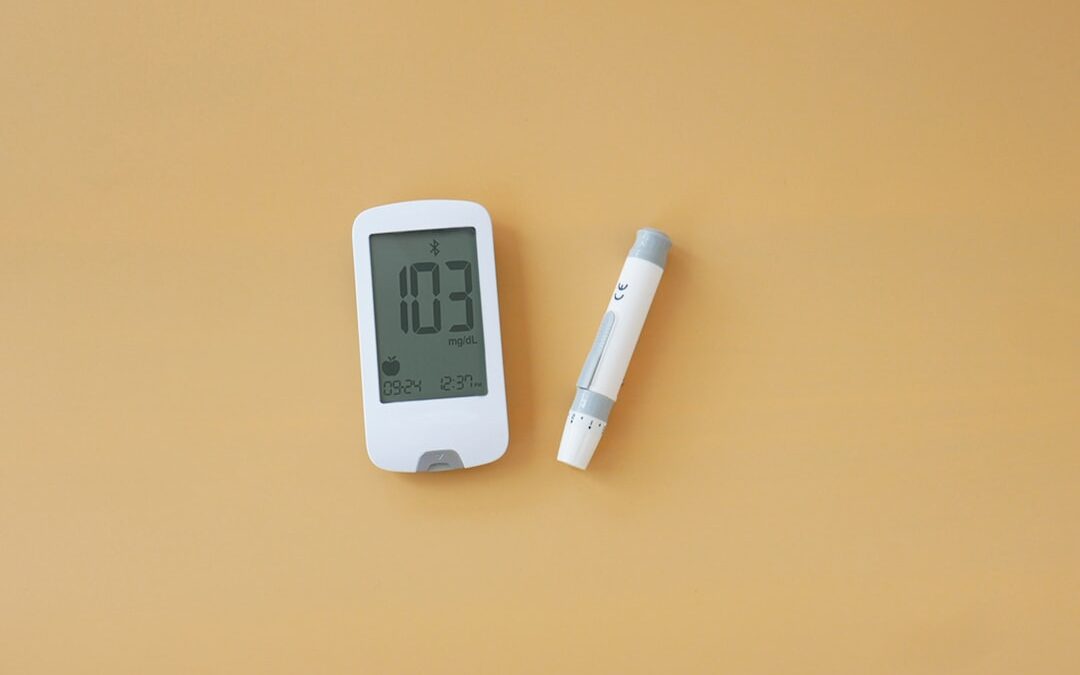
Blood sugar monitoring is a critical component of diabetes management, particularly for seniors. As individuals age, their bodies may respond differently to insulin and other medications, making it essential to keep a close watch on blood glucose levels. Regular monitoring helps in identifying patterns and fluctuations that can inform treatment decisions. For seniors, who may have multiple health issues, understanding their blood sugar levels can prevent complications such as hypoglycemia or hyperglycemia, which can lead to serious health crises.
Moreover, blood sugar monitoring empowers seniors to take an active role in their health care. By tracking their levels, they can recognize how different foods, activities, and medications affect their glucose levels. This self-awareness can lead to better decision-making regarding diet and lifestyle choices. Additionally, consistent monitoring can facilitate more productive discussions with healthcare providers, ensuring that treatment plans are tailored to the individual’s needs and circumstances.
Key Takeaways
- Regular blood sugar monitoring is crucial for effective diabetes management in seniors.
- Adhering to prescribed medications helps maintain stable blood glucose levels and prevents complications.
- Balanced diet and proper nutrition play a key role in controlling diabetes among older adults.
- Consistent physical activity supports overall health and aids in managing diabetes symptoms.
- Addressing mental health, social support, and planning for end-of-life care are essential components of comprehensive senior diabetes care.
The Role of Medication Adherence in Senior Diabetes Management
Medication adherence is vital for effective diabetes management among seniors. Many older adults are prescribed multiple medications for various health conditions, which can complicate their adherence to diabetes treatments. Non-adherence can result in poor blood sugar control, leading to increased risks of complications such as cardiovascular disease, neuropathy, and kidney damage. Therefore, understanding the importance of taking medications as prescribed is crucial for seniors managing diabetes.
To enhance medication adherence, healthcare providers often recommend strategies such as using pill organizers or setting reminders. Education about the purpose and potential side effects of medications can also motivate seniors to stick to their regimens. Involving family members or caregivers in the process can provide additional support and accountability. Ultimately, fostering a routine that incorporates medication management into daily life can significantly improve health outcomes for seniors with diabetes.
Practical Tips for Managing Diet and Nutrition as a Senior with Diabetes
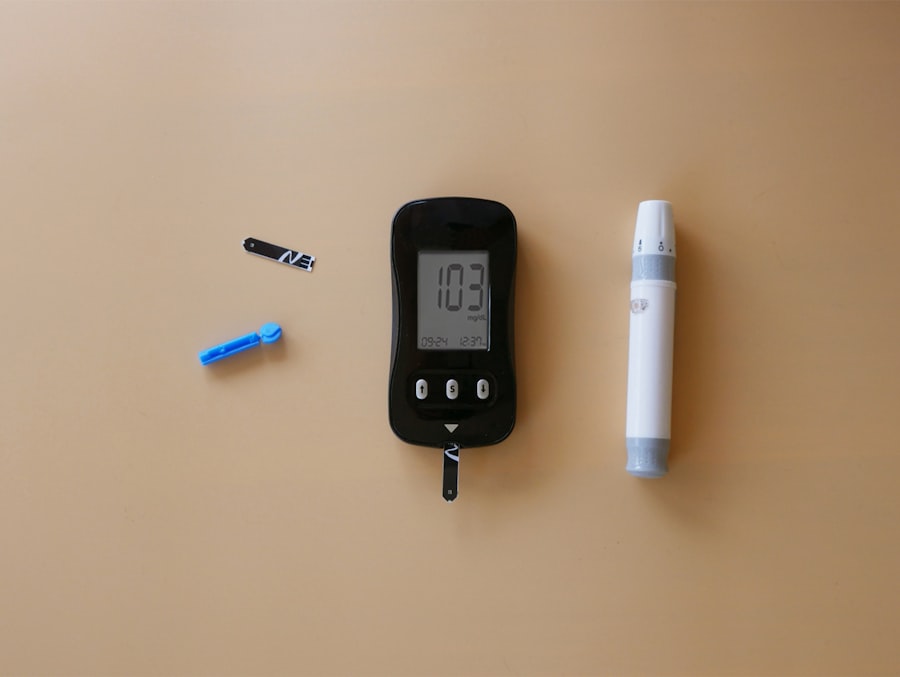
Diet and nutrition play a pivotal role in managing diabetes, especially for seniors who may have unique dietary needs. A balanced diet that focuses on whole foods—such as fruits, vegetables, whole grains, lean proteins, and healthy fats—can help regulate blood sugar levels. Seniors should aim to limit processed foods high in sugars and unhealthy fats, as these can lead to spikes in blood glucose levels. Understanding portion sizes is also essential; smaller, more frequent meals can help maintain stable blood sugar throughout the day.
In addition to food choices, meal planning can be an effective strategy for seniors managing diabetes. Preparing meals in advance allows for better control over ingredients and portion sizes. It can also reduce the temptation to opt for unhealthy convenience foods. Consulting with a registered dietitian can provide personalized guidance tailored to individual health needs and preferences. This professional support can help seniors navigate dietary restrictions while ensuring they receive adequate nutrition.
The Importance of Regular Exercise and Physical Activity for Seniors with Diabetes
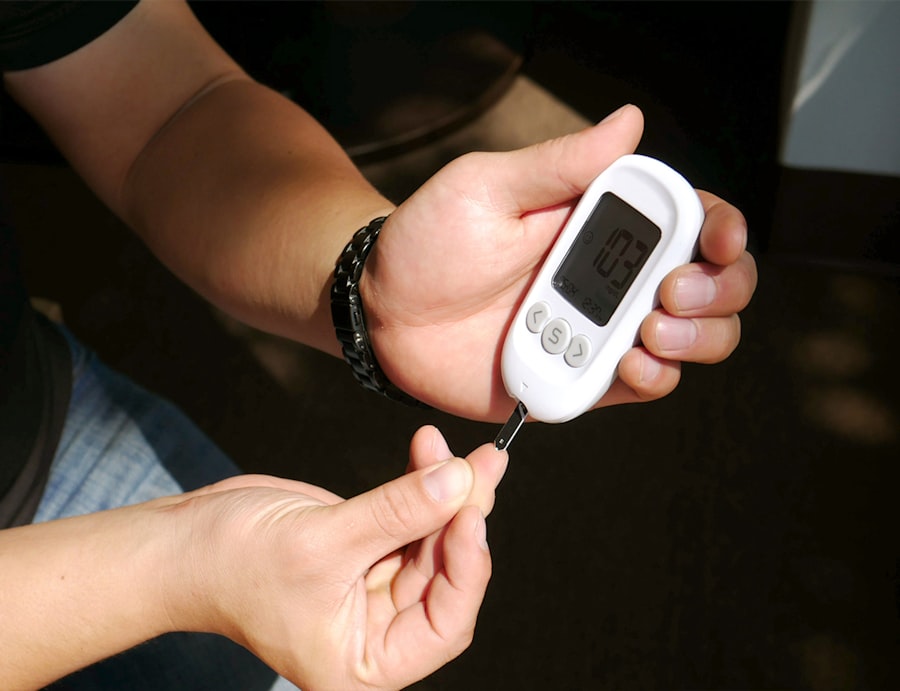
Regular exercise is a cornerstone of diabetes management for seniors. Physical activity helps improve insulin sensitivity, which is crucial for maintaining stable blood sugar levels. Engaging in regular exercise can also aid in weight management, reduce the risk of cardiovascular disease, and enhance overall well-being. For seniors, incorporating physical activity into their daily routine can be particularly beneficial, as it promotes mobility and independence.
Seniors should aim for a mix of aerobic exercises—such as walking, swimming, or cycling—and strength training activities. Even low-impact exercises like yoga or tai chi can improve flexibility and balance while providing mental health benefits. It is important for seniors to consult with their healthcare providers before starting any new exercise regimen to ensure that it aligns with their health status and capabilities. Establishing a consistent exercise routine can lead to significant improvements in both physical and mental health.
Managing Diabetes Complications and Comorbidities in Seniors
| Metric | Details | Notes |
|---|---|---|
| Prevalence of Diabetes in Seniors | 26.8% of adults aged 65 and older | According to CDC data |
| Average HbA1c Target for Seniors | 7.5% to 8.0% | Individualized based on health status |
| Common Complications | Neuropathy, Retinopathy, Cardiovascular Disease | Often under-discussed in routine visits |
| Medication Adherence Rate | Approximately 50-60% | Lower adherence due to side effects and complexity |
| Importance of Nutrition Counseling | High | Often overlooked but critical for management |
| Physical Activity Recommendation | 150 minutes/week moderate exercise | Adapted to senior capabilities |
| Frequency of Blood Glucose Monitoring | Varies: daily to weekly | Depends on treatment regimen and stability |
| Risk of Hypoglycemia | Higher in seniors | Requires careful medication adjustment |
| Doctor-Patient Communication Gaps | Reported by 30% of seniors | Leads to misunderstandings about management |
Seniors with diabetes often face the challenge of managing complications and comorbidities that arise from the condition. Common complications include neuropathy, retinopathy, and cardiovascular issues, which can significantly impact quality of life. Additionally, many seniors may have other chronic conditions such as hypertension or arthritis that complicate diabetes management. Addressing these interconnected health issues requires a comprehensive approach that considers the whole person rather than just focusing on diabetes alone.
Regular check-ups with healthcare providers are essential for monitoring both diabetes and its complications. This may involve routine screenings for eye health, foot care assessments, and cardiovascular evaluations. Coordinated care among various specialists—such as endocrinologists, cardiologists, and dietitians—can help create a more effective management plan. Seniors should also be encouraged to communicate openly about any new symptoms or concerns they may have, as early intervention can prevent further complications.
Mental Health and Emotional Well-being in Senior Diabetes Management
Mental health is an often-overlooked aspect of diabetes management in seniors. The stress of living with a chronic condition can lead to feelings of anxiety or depression, which may further complicate diabetes control. Seniors may experience emotional challenges related to their health status, including fear of complications or feelings of isolation due to lifestyle changes. Addressing these mental health concerns is crucial for effective diabetes management.
Support from mental health professionals can be beneficial for seniors struggling with emotional well-being. Therapy or counseling can provide coping strategies and emotional support tailored to their specific experiences. Additionally, engaging in social activities or support groups can help reduce feelings of isolation and foster connections with others facing similar challenges. By prioritizing mental health alongside physical health, seniors can improve their overall quality of life while managing diabetes more effectively.
The Impact of Social Support and Community Resources for Seniors with Diabetes
Social support plays a significant role in the lives of seniors managing diabetes. Having a strong support network—comprising family members, friends, or community groups—can provide encouragement and motivation for adhering to treatment plans. Social connections can also alleviate feelings of loneliness that may arise from managing a chronic condition. Engaging with others who understand the challenges of diabetes can foster a sense of belonging and shared experience.
Community resources are invaluable for seniors seeking assistance with diabetes management. Local organizations often offer educational programs, cooking classes, or exercise groups specifically designed for individuals with diabetes. These resources not only provide practical information but also create opportunities for social interaction. By utilizing community support systems, seniors can enhance their knowledge about diabetes management while building relationships that contribute positively to their emotional well-being.
Navigating End-of-Life Care and Advanced Directives for Seniors with Diabetes
As seniors with diabetes age, discussions about end-of-life care become increasingly important. Advanced directives allow individuals to express their preferences regarding medical treatment in situations where they may no longer be able to communicate their wishes. For seniors managing chronic conditions like diabetes, having clear directives can ensure that their healthcare aligns with their values and desires.
Engaging in conversations about end-of-life care with family members and healthcare providers is essential for making informed decisions. These discussions should encompass not only medical preferences but also considerations about quality of life and comfort measures. By addressing these topics proactively, seniors can alleviate potential stress for themselves and their loved ones during difficult times. Ultimately, navigating end-of-life care requires sensitivity and open communication to honor the wishes of those affected by diabetes while ensuring dignity in their final days.