
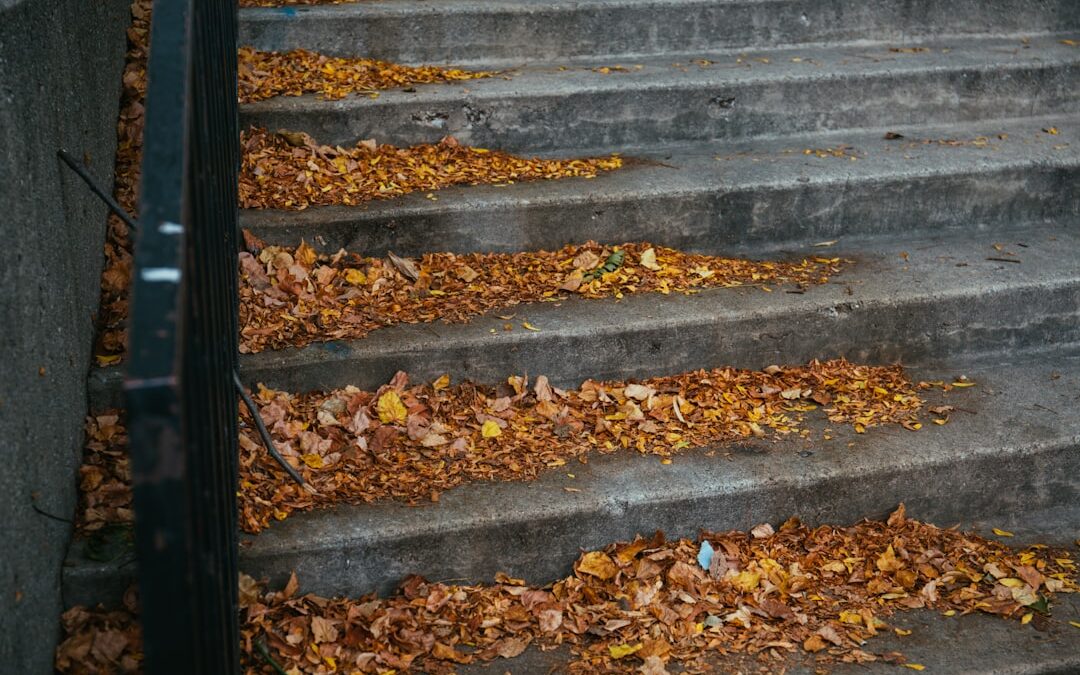
Falls are a significant concern for seniors, and understanding the risks involved is crucial for prevention. As we age, our bodies undergo various changes that can affect balance, coordination, and strength. Factors such as decreased muscle mass, vision impairments, and certain medical conditions can increase the likelihood of falling. According to the Centers for Disease Control and Prevention (CDC), falls are the leading cause of injury among older adults, resulting in serious injuries like fractures and head trauma. Recognizing these risks is the first step in creating a safer living environment.
Moreover, the psychological impact of falls can be profound. Many seniors develop a fear of falling after experiencing a fall, which can lead to reduced mobility and social isolation. This fear can create a vicious cycle where decreased activity leads to further physical decline, increasing the risk of future falls. Understanding these dynamics is essential for both seniors and their caregivers, as it highlights the importance of proactive measures to mitigate risks and maintain independence.
Key Takeaways
- Falls are a serious risk for seniors and can lead to severe injuries and loss of independence.
- Creating a safe environment in the home involves removing tripping hazards and ensuring proper lighting and handrails are in place.
- Installing proper lighting and handrails can significantly reduce the risk of falls for seniors.
- Removing hazards and clutter from the home is essential for preventing falls and maintaining a safe environment.
- Using assistive devices and mobility aids can help seniors maintain their independence and reduce the risk of falls.
Creating a Safe Environment in the Home
Creating a safe home environment is one of the most effective ways to prevent falls among seniors. The home should be a sanctuary, free from hazards that could lead to accidents. Start by evaluating each room for potential dangers. For instance, ensure that rugs are secured to the floor or removed entirely, as they can easily become tripping hazards. Additionally, furniture should be arranged to allow for clear pathways, making it easier for seniors to navigate their living spaces without obstacles.
Another important aspect of home safety is ensuring that frequently used items are within easy reach. Seniors should avoid using step stools or ladders to access high shelves. Instead, consider rearranging cabinets and storage areas so that essential items are at waist level. This simple adjustment can significantly reduce the risk of falls while also promoting independence in daily activities.
Installing Proper Lighting and Handrails

Proper lighting is essential in preventing falls, especially in areas where seniors are most active, such as hallways, staircases, and bathrooms. Dimly lit spaces can obscure potential hazards, making it difficult for seniors to see where they are walking. Installing brighter bulbs and using light fixtures that illuminate dark corners can make a significant difference. Additionally, consider using motion-sensor lights in areas like entryways or bathrooms to ensure that seniors have adequate lighting when they need it most.
Handrails are another critical safety feature, particularly on staircases and in bathrooms. Installing sturdy handrails on both sides of stairways provides seniors with support as they navigate up and down steps. In bathrooms, grab bars near toilets and in showers can help prevent slips and falls during bathing or toileting. These simple modifications can enhance stability and confidence, allowing seniors to move around their homes more safely.
Removing Hazards and Clutter
Clutter is often an overlooked hazard in many homes, but it can significantly increase the risk of falls for seniors. Items left on the floor, such as shoes, books, or pet toys, can create tripping hazards that may lead to serious injuries. Regularly decluttering living spaces not only improves safety but also creates a more pleasant and organized environment. Encourage seniors to take a few minutes each day to tidy up their surroundings, making it a part of their routine.
In addition to clutter, be mindful of other potential hazards like electrical cords or loose wires. These should be secured against walls or tucked away to prevent tripping. It’s also wise to check for any uneven flooring or loose tiles that could pose a risk. By taking the time to remove these hazards, you can create a safer space that allows seniors to move freely without fear of falling.
Using Assistive Devices and Mobility Aids
| Room/Area | Common Hazards | Simple Fixes |
|---|---|---|
| Bathroom | Slippery floors, lack of grab bars | Install grab bars, use non-slip mats |
| Stairs | Poor lighting, loose handrails | Improve lighting, tighten handrails |
| Bedroom | Clutter, low bed height | Keep pathways clear, raise bed height |
| Kitchen | Slippery floors, reaching for items | Use non-slip rugs, store items within reach |
Assistive devices and mobility aids can play a vital role in fall prevention for seniors. Canes, walkers, and other mobility aids provide additional support and stability when moving around the home or outdoors. It’s essential for seniors to choose the right device based on their specific needs and abilities. Consulting with a healthcare professional can help determine which aid is most appropriate.
In addition to traditional mobility aids, consider exploring newer technologies designed to assist seniors. For example, some devices come equipped with features like built-in alarms or GPS tracking systems that can enhance safety while providing peace of mind for both seniors and their families. Encouraging seniors to use these aids consistently can significantly reduce their risk of falls while promoting independence.
Maintaining Regular Exercise and Physical Activity
Regular exercise is one of the most effective ways for seniors to improve their strength, balance, and overall physical health. Engaging in activities like walking, swimming, or yoga can enhance coordination and flexibility, reducing the likelihood of falls. Many communities offer exercise programs specifically designed for older adults that focus on balance training and strength building.
Incorporating physical activity into daily routines doesn’t have to be daunting. Simple activities like gardening or even light housework can contribute to maintaining fitness levels. Encouraging seniors to stay active not only helps with fall prevention but also promotes overall well-being and social interaction, which are equally important as we age.
Seeking Professional Help and Support
Sometimes, despite our best efforts, additional support may be necessary to ensure safety at home. Seeking professional help from occupational therapists or physical therapists can provide valuable insights into fall prevention strategies tailored specifically for an individual’s needs. These professionals can assess the home environment and recommend modifications or exercises that can enhance safety.
Additionally, consider involving family members or caregivers in discussions about fall prevention strategies. They can play an essential role in supporting seniors by helping them implement safety measures at home or encouraging them to participate in exercise programs. Having a support system in place can make a significant difference in maintaining safety and independence.
Educating Family and Caregivers about Fall Prevention
Education is key when it comes to fall prevention for seniors. Family members and caregivers should be well-informed about the risks associated with falls and the strategies available to mitigate those risks. This knowledge empowers them to take proactive steps in creating a safer environment for their loved ones.
Regular discussions about fall prevention can foster an open dialogue about concerns or challenges that may arise. Encourage family members to participate in training sessions or workshops focused on senior safety and fall prevention techniques. By working together as a team, families can create a supportive atmosphere that prioritizes safety while allowing seniors to maintain their independence.
In conclusion, preventing falls among seniors requires a multifaceted approach that includes understanding risks, creating safe environments, utilizing assistive devices, maintaining physical activity, seeking professional help, and educating caregivers. By taking these steps seriously, we can help our loved ones enjoy their golden years with confidence and security.