
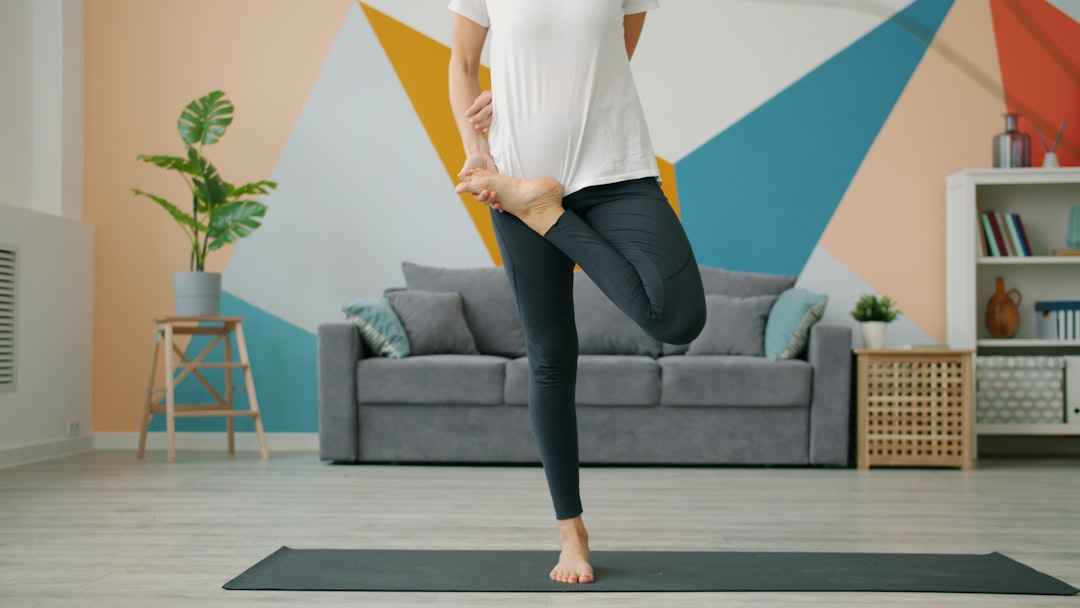
As we age, maintaining balance becomes increasingly crucial. Balance is not just about standing still; it’s a complex interplay of strength, coordination, and sensory perception. For older adults, good balance can significantly enhance mobility and independence. It allows individuals to navigate their environment safely, reducing the risk of falls and injuries. When balance is compromised, even simple tasks like walking or getting up from a chair can become daunting.
Moreover, balance plays a vital role in overall health and well-being. It contributes to confidence in movement, which can encourage older adults to engage in physical activities. This engagement is essential for maintaining muscle strength and flexibility, both of which are key components in preventing falls. By understanding the importance of balance, older adults can take proactive steps to improve their stability and quality of life.
Key Takeaways
- Balance is crucial for older adults as it helps prevent falls and maintain independence.
- Falls in older adults can lead to serious injuries and have long-term consequences on their health and well-being.
- The science behind the #1 balance exercise, the single leg stance, shows its effectiveness in improving balance and reducing fall risk.
- A step-by-step guide to performing the single leg stance can help older adults incorporate this exercise into their daily routine.
- Tips for incorporating the single leg stance into daily routine include starting with short durations and gradually increasing time, and using support if needed.
Identifying the Risks and Consequences of Falls in Older Adults
Falls are one of the leading causes of injury among older adults, and the consequences can be severe. According to the Centers for Disease Control and Prevention (CDC), one in four older adults experiences a fall each year. These incidents can lead to fractures, head injuries, and even fatalities. Beyond physical injuries, falls can also result in psychological effects such as fear of falling again, which may lead to decreased activity levels and social isolation.
The risks associated with falls are multifaceted. Factors such as poor vision, medication side effects, and environmental hazards like uneven surfaces or poor lighting can all contribute to an increased likelihood of falling. Additionally, age-related changes in muscle strength and coordination can make it more challenging for older adults to maintain their balance. Recognizing these risks is the first step toward implementing effective fall prevention strategies.
The Science Behind the #1 Balance Exercise for Fall Prevention
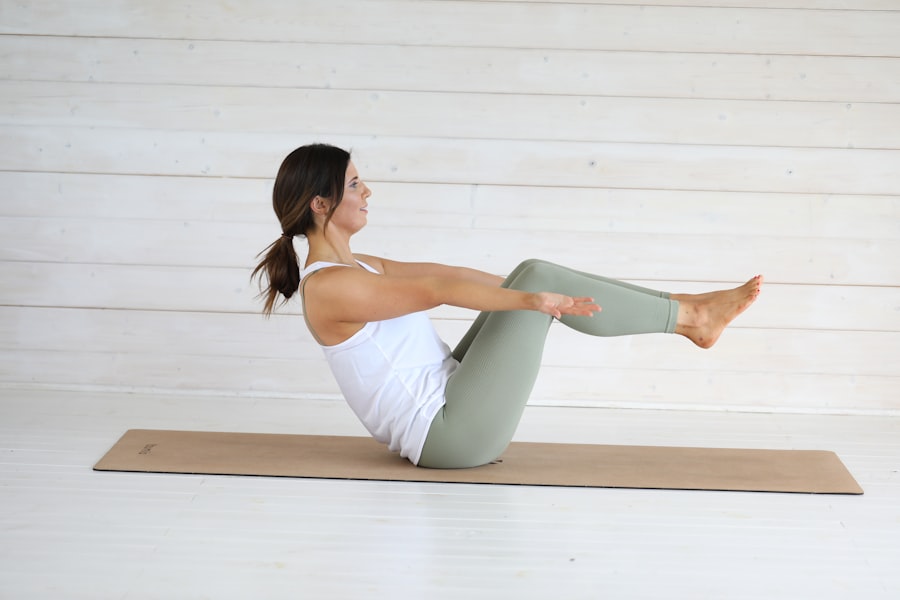
When it comes to fall prevention, one exercise stands out: the single-leg stand. This exercise is simple yet highly effective for improving balance. The science behind it lies in its ability to engage multiple muscle groups while challenging the body’s stability. When performing a single-leg stand, the body must activate core muscles, leg muscles, and even those in the feet to maintain balance.
Research has shown that exercises focusing on balance can significantly reduce the risk of falls among older adults. The single-leg stand not only enhances proprioception—the body’s ability to sense its position in space—but also strengthens the muscles that support the ankles and knees. By regularly practicing this exercise, older adults can build a solid foundation for better balance and coordination.
Step-by-Step Guide to Performing the #1 Balance Exercise
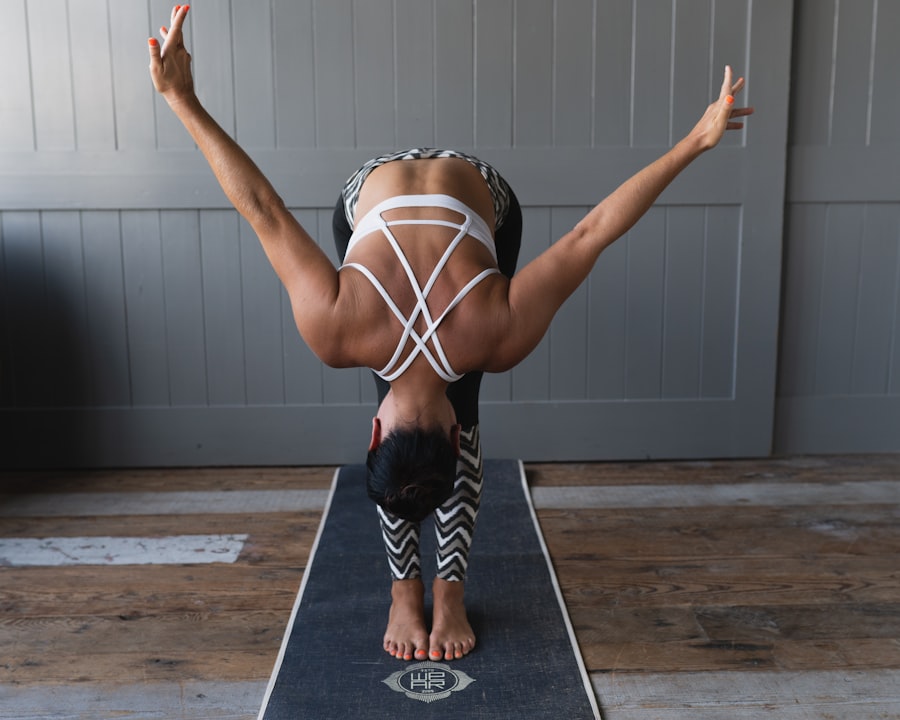
Performing the single-leg stand is straightforward and can be done almost anywhere. Here’s how to do it:
1. **Find a Stable Surface**: Start by standing next to a wall or a sturdy piece of furniture for support if needed.
2. **Stand Tall**: Position your feet shoulder-width apart and engage your core muscles. This helps stabilize your body.
3. **Lift One Leg**: Slowly lift one foot off the ground, bending your knee slightly. Aim to hold this position for 10 seconds at first.
4. **Focus on Balance**: Keep your gaze fixed on a point in front of you to help maintain your balance. If you feel unsteady, use your hand on the wall or furniture for support.
5. **Switch Legs**: After holding for 10 seconds, lower your foot back to the ground and repeat with the other leg.
6. **Increase Duration**: As you become more comfortable, gradually increase the time you hold each position up to 30 seconds or longer.
This exercise can be modified based on individual ability levels. If standing on one leg becomes too easy, try closing your eyes or standing on a soft surface like a pillow to increase the challenge.
Tips for Incorporating the #1 Balance Exercise into Daily Routine
| Exercise | Frequency | Duration | Intensity |
|---|---|---|---|
| Balance Exercise | 3 times a week | 30 minutes | Moderate to high |
Incorporating the single-leg stand into your daily routine doesn’t have to be complicated. Here are some practical tips:
1. **Set Reminders**: Choose specific times during the day when you can practice this exercise—perhaps while brushing your teeth or waiting for water to boil.
2. **Make it Social**: Invite a friend or family member to join you in practicing balance exercises. This not only makes it more enjoyable but also adds an element of accountability.
3. **Combine with Other Activities**: You can integrate the single-leg stand into other activities, such as while watching TV or during a phone call. This way, you’re multitasking without feeling like you’re dedicating extra time solely to exercise.
4. **Track Your Progress**: Keep a journal of your practice sessions, noting how long you can hold each position over time. This can motivate you to improve and stay consistent.
5. **Stay Mindful**: Focus on your body’s movements and sensations while practicing. Being mindful can enhance your connection with your body and improve your overall balance.
Additional Balance Exercises to Supplement the #1 Exercise
While the single-leg stand is highly effective, incorporating a variety of balance exercises can provide even greater benefits. Here are a few additional exercises that complement the single-leg stand:
1. **Heel-to-Toe Walk**: This exercise involves walking in a straight line by placing one foot directly in front of the other, heel touching toe with each step. It challenges your balance and improves coordination.
2. **Side Leg Raises**: Stand next to a wall or chair for support and lift one leg out to the side while keeping your body straight. Hold for a few seconds before lowering it back down. This strengthens hip muscles that are crucial for stability.
3. **Tai Chi**: This ancient martial art focuses on slow, controlled movements and is excellent for improving balance and flexibility. Many community centers offer classes specifically designed for older adults.
4. **Balance Board Exercises**: If you’re feeling adventurous, using a balance board can add an extra challenge to your routine. Start with simple movements like shifting your weight from side to side while standing on the board.
Incorporating these exercises into your routine can help create a well-rounded approach to balance training.
Seeking Professional Guidance for Balance Training
If you’re unsure where to start or feel hesitant about exercising alone, seeking professional guidance can be beneficial. Physical therapists or certified trainers specializing in senior fitness can provide personalized assessments and tailored exercise programs that address individual needs.
A professional can also ensure that exercises are performed safely and effectively, reducing the risk of injury while maximizing benefits. They may introduce you to additional techniques or equipment that can enhance your balance training experience.
Moreover, group classes focused on balance training can offer social interaction while providing expert instruction. Engaging with others who share similar goals can foster motivation and create a supportive environment for improvement.
Maintaining a Balanced and Active Lifestyle for Fall Prevention
Ultimately, maintaining a balanced and active lifestyle is key to fall prevention as we age. Regular physical activity not only improves balance but also enhances overall health by promoting cardiovascular fitness, strength, and flexibility.
In addition to structured exercises like the single-leg stand, consider incorporating more movement into your daily life—take walks in your neighborhood, participate in community activities, or even try gardening. Staying active helps keep muscles strong and joints flexible, both of which are essential for maintaining balance.
Lastly, don’t forget about nutrition; a well-balanced diet supports overall health and energy levels, making it easier to stay active. Staying hydrated is equally important as dehydration can affect coordination and cognitive function.
By prioritizing balance training alongside an active lifestyle, older adults can significantly reduce their risk of falls while enjoying greater independence and quality of life.