

As individuals reach the age of 60 and beyond, the significance of maintaining an active lifestyle becomes increasingly paramount. The aging process often brings about a decline in physical capabilities, which can lead to a sedentary lifestyle if not actively countered. Staying active is not merely about physical fitness; it encompasses mental well-being, social engagement, and overall quality of life.
Engaging in regular physical activity can help mitigate the risks associated with age-related health issues, such as cardiovascular diseases, diabetes, and osteoporosis. Moreover, it fosters a sense of independence and self-efficacy, allowing older adults to navigate their daily lives with confidence. The psychological benefits of remaining active are equally compelling.
Regular exercise has been shown to reduce symptoms of anxiety and depression, which can be prevalent among older adults due to various life changes, including retirement, loss of loved ones, or health challenges. Physical activity stimulates the release of endorphins, often referred to as “feel-good” hormones, which can enhance mood and promote a more positive outlook on life. Additionally, staying active provides opportunities for social interaction, whether through group classes, walking clubs, or community events, thereby combating feelings of isolation that can accompany aging.
Key Takeaways
- Staying active after 60 is crucial for maintaining health and independence.
- Regular physical activity improves strength, balance, and overall well-being in older adults.
- Simple daily routines like walking or stretching can effectively keep you active.
- Incorporating strength training and low-impact exercises helps prevent injury and build muscle.
- Flexibility, balance exercises, and professional guidance enhance safety and motivation.
Benefits of regular physical activity for older adults
Engaging in regular physical activity offers a multitude of benefits specifically tailored to the needs of older adults. One of the most significant advantages is the improvement in cardiovascular health. Activities such as walking, swimming, or cycling can enhance heart function and circulation, reducing the risk of heart disease and stroke.
Furthermore, regular exercise helps to lower blood pressure and improve cholesterol levels, contributing to overall heart health. This is particularly crucial as cardiovascular diseases remain one of the leading causes of mortality among older populations. In addition to cardiovascular benefits, regular physical activity plays a vital role in maintaining muscle mass and bone density.
As individuals age, they naturally lose muscle mass—a condition known as sarcopenia—which can lead to frailty and increased risk of falls. Engaging in weight-bearing exercises helps to counteract this decline by promoting muscle strength and endurance. Moreover, activities that focus on balance and coordination can significantly reduce the risk of falls, which are a common concern for older adults.
By enhancing strength and stability, individuals can maintain their independence and continue to engage in daily activities without fear of injury.
Simple daily routines for staying active

Incorporating physical activity into daily routines does not have to be daunting or time-consuming. Simple adjustments to everyday activities can significantly increase overall movement levels. For instance, opting for stairs instead of elevators or escalators is an easy way to incorporate more physical activity into one’s day.
Gardening is another excellent option; it not only provides moderate exercise but also allows individuals to enjoy the outdoors and connect with nature. Even household chores such as vacuuming, sweeping, or washing windows can contribute to an active lifestyle while also providing a sense of accomplishment. Walking is perhaps one of the simplest yet most effective forms of exercise for older adults.
A daily walk around the neighborhood or local park can be easily integrated into one’s routine. Walking not only promotes cardiovascular health but also offers an opportunity for social interaction if done with friends or family members. Setting small goals, such as walking for 10-15 minutes a day and gradually increasing the duration, can make this activity more manageable and enjoyable.
Additionally, using a pedometer or smartphone app to track steps can provide motivation and a sense of achievement.
Incorporating strength training into your daily routine
Strength training is an essential component of a well-rounded fitness regimen for older adults. Contrary to common misconceptions that weightlifting is only for younger individuals or athletes, strength training can be safely performed by older adults with proper guidance and modifications. Engaging in strength training exercises at least two days a week can help combat muscle loss and improve functional abilities necessary for daily tasks such as lifting groceries or climbing stairs.
Incorporating strength training into a daily routine can be achieved through various methods. Resistance bands are an excellent tool for beginners; they are lightweight, portable, and versatile. Exercises such as seated rows or leg presses using resistance bands can effectively target major muscle groups without the need for heavy weights.
Additionally, bodyweight exercises like squats, push-ups against a wall, or modified lunges can be performed anywhere and require no equipment at all. It is crucial to start with lighter resistance and focus on proper form to prevent injury while gradually increasing intensity as strength improves.
Choosing low-impact exercises for older adults
| Activity | Duration | Frequency | Benefits | Intensity Level |
|---|---|---|---|---|
| Walking | 30 minutes | Daily | Improves cardiovascular health, boosts mood | Low to Moderate |
| Stretching | 10-15 minutes | Daily | Enhances flexibility, reduces stiffness | Low |
| Strength Training (light weights or resistance bands) | 20-30 minutes | 2-3 times per week | Maintains muscle mass, improves bone density | Moderate |
| Balance Exercises (e.g., standing on one foot) | 10 minutes | 3-4 times per week | Reduces fall risk, improves coordination | Low |
| Yoga or Tai Chi | 30-45 minutes | 2-3 times per week | Improves flexibility, balance, and mental well-being | Low to Moderate |
For many older adults, high-impact exercises may pose risks due to joint pain or mobility issues. Therefore, low-impact exercises are often recommended as they provide effective workouts without excessive strain on the body. Activities such as swimming or water aerobics are particularly beneficial; the buoyancy of water reduces stress on joints while providing resistance that enhances muscle strength and endurance.
These exercises also promote cardiovascular health while being gentle on the body. Yoga and tai chi are other excellent low-impact options that focus on flexibility, balance, and mindfulness. These practices not only improve physical health but also foster mental clarity and relaxation.
Many community centers offer classes specifically designed for seniors that cater to varying levels of ability. Engaging in these activities regularly can lead to improved balance and coordination, which are critical in preventing falls—a significant concern for older adults.
Tips for staying motivated to exercise regularly
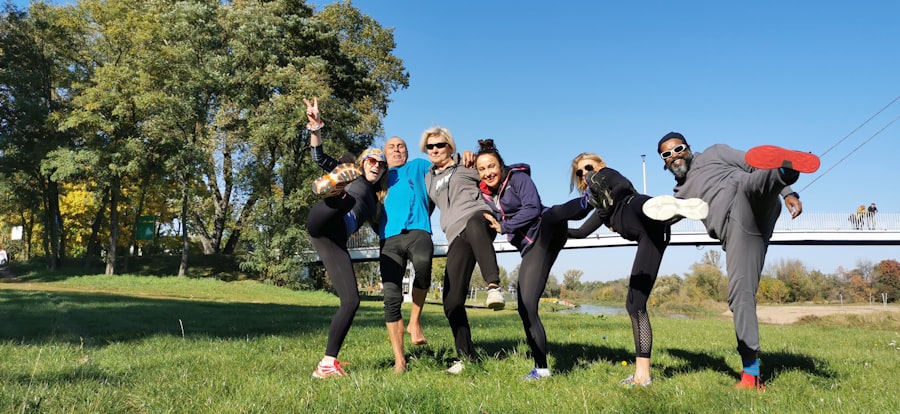
Maintaining motivation to exercise regularly can be challenging, especially for older adults who may face physical limitations or lack social support. One effective strategy is setting realistic and achievable goals. Rather than aiming for drastic changes in fitness levels, focusing on small milestones—such as walking an extra five minutes each week—can provide a sense of accomplishment and encourage continued effort.
Keeping a journal to track progress can also serve as a motivational tool; seeing improvements over time reinforces commitment. Finding enjoyable activities is another key factor in sustaining motivation. Older adults should explore various forms of exercise until they discover what resonates with them personally.
Whether it’s dancing, hiking, or participating in group classes like Zumba Gold or chair yoga, enjoyment is crucial for long-term adherence to an exercise routine. Additionally, exercising with friends or family members can enhance motivation through social interaction and accountability; having a workout buddy makes the experience more enjoyable and encourages consistency.
Importance of flexibility and balance exercises for older adults
Flexibility and balance exercises are vital components of fitness for older adults that often receive less attention than cardiovascular or strength training. As individuals age, flexibility tends to decrease due to changes in muscle elasticity and joint stiffness. Incorporating stretching routines into daily activities can help maintain flexibility, improve posture, and reduce the risk of injury during other forms of exercise.
Simple stretches targeting major muscle groups—such as hamstrings, quadriceps, shoulders, and back—can be performed at home with minimal time commitment. Balance exercises are equally important in preventing falls—a leading cause of injury among older adults. Activities such as standing on one leg or practicing heel-to-toe walking can enhance stability and coordination.
Tai chi is particularly effective in improving balance due to its slow, controlled movements that promote body awareness and core strength. Regularly engaging in flexibility and balance exercises not only contributes to physical health but also instills confidence in one’s ability to move safely through daily life.
Seeking professional guidance for a personalized exercise plan
For older adults looking to embark on or enhance their fitness journey, seeking professional guidance from a qualified fitness trainer or physical therapist can be invaluable. These professionals possess the expertise necessary to design personalized exercise plans tailored to individual needs, abilities, and health conditions. A thorough assessment can identify specific areas that require attention—whether it’s improving strength, flexibility, or balance—and create a structured program that addresses these goals effectively.
Working with a professional also ensures that exercises are performed safely and correctly, minimizing the risk of injury. They can provide modifications for various exercises based on individual capabilities and limitations while offering encouragement and accountability throughout the process. Additionally, professionals can introduce new activities that may not have been considered previously, expanding the range of options available for staying active.
Ultimately, investing in professional guidance can lead to more effective results and a more enjoyable experience in pursuing an active lifestyle after 60.