

Pain affects a significant portion of the elderly population, with common conditions including arthritis, neuropathy, and chronic back pain. These conditions frequently reduce mobility, limit social engagement, and decrease overall quality of life in older adults. Effective pain management in this population requires consideration of multiple factors beyond symptom relief, including physical limitations, emotional health, and social circumstances.
Medication management presents particular challenges for seniors, as many already take multiple medications for various health conditions. Drug interactions, increased sensitivity to side effects, and age-related changes in metabolism can complicate traditional pharmacological approaches to pain relief. These factors have led healthcare providers to increasingly incorporate non-pharmacological interventions into treatment plans for older adults.
Comprehensive pain management strategies for seniors must account for age-related physiological changes, comorbid conditions, and individual patient preferences. This approach typically combines multiple treatment modalities to optimize pain relief while minimizing adverse effects and maintaining functional independence.
Key Takeaways
- Seniors have various pain relief options beyond medication, including physical therapy and exercise.
- Alternative therapies like acupuncture and massage can effectively reduce senior pain.
- Proper diet and nutrition play a crucial role in managing pain for older adults.
- Mind-body techniques such as meditation and relaxation help alleviate pain symptoms.
- Assistive devices and mobility aids improve comfort and reduce pain in seniors.
Non-Medication Pain Relief Options for Seniors
Non-medication pain relief options are increasingly recognized as essential components of a comprehensive pain management plan for seniors. These alternatives can range from simple lifestyle modifications to more structured therapeutic interventions. One of the most accessible methods is the application of heat or cold therapy.
Heat pads or warm baths can help soothe stiff muscles and joints, while cold packs can reduce inflammation and numb sharp pain. These methods are not only easy to implement but also cost-effective, making them ideal for seniors who may be on fixed incomes. Another effective non-pharmacological approach is the use of topical analgesics.
Creams and ointments containing ingredients like menthol or capsaicin can provide localized relief without the systemic side effects associated with oral medications. These topical treatments can be particularly beneficial for seniors who experience localized pain in areas such as the knees or hands. Additionally, cognitive-behavioral therapy (CBT) has emerged as a valuable tool in managing chronic pain.
By addressing the psychological aspects of pain, CBT helps seniors develop coping strategies that can reduce their perception of pain and improve their overall quality of life.
Exercise and Physical Therapy for Senior Pain Relief

Exercise and physical therapy play pivotal roles in managing pain among seniors, promoting not only physical health but also mental well-being. Engaging in regular physical activity can enhance flexibility, strength, and endurance, which are crucial for maintaining mobility and reducing pain. Low-impact exercises such as swimming, walking, or cycling are particularly beneficial as they minimize stress on the joints while providing cardiovascular benefits.
For seniors with specific conditions like arthritis, tailored exercise programs designed by physical therapists can help improve joint function and alleviate discomfort. Physical therapy goes beyond mere exercise; it encompasses a range of techniques aimed at restoring function and reducing pain. Therapists may employ modalities such as ultrasound therapy, electrical stimulation, or manual therapy to address specific pain issues.
For instance, ultrasound therapy uses sound waves to promote tissue healing and reduce inflammation, while electrical stimulation can help manage pain by interrupting pain signals sent to the brain. Furthermore, physical therapists often educate seniors on proper body mechanics and posture, which can prevent further injury and enhance overall mobility.
Alternative Therapies for Senior Pain Relief
Alternative therapies have gained traction as viable options for seniors seeking pain relief. Acupuncture, an ancient practice rooted in Traditional Chinese Medicine, involves inserting thin needles into specific points on the body to stimulate energy flow and promote healing. Research has shown that acupuncture can be effective in reducing chronic pain conditions such as osteoarthritis and lower back pain.
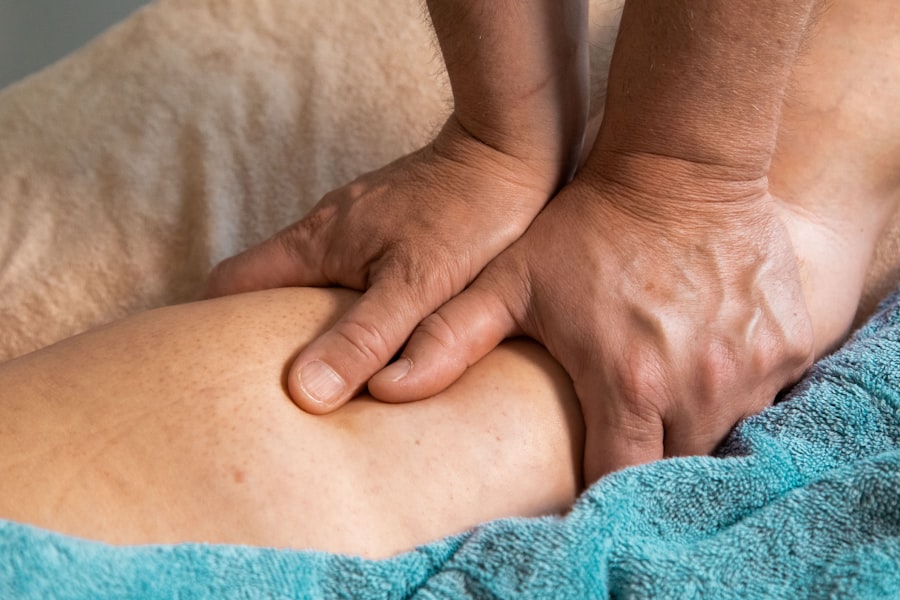
Many seniors report significant improvements in their pain levels after undergoing acupuncture treatments, making it a popular choice among those looking for non-invasive options. Another alternative therapy gaining popularity is massage therapy. Therapeutic massage can help alleviate muscle tension, improve circulation, and promote relaxation—all of which contribute to pain relief.
Different techniques such as Swedish massage or deep tissue massage can be tailored to meet the specific needs of seniors. Additionally, some studies suggest that regular massage therapy may lead to long-term reductions in chronic pain levels, enhancing overall quality of life. As with any treatment modality, it is essential for seniors to consult with healthcare providers before starting alternative therapies to ensure they are appropriate for their individual health circumstances.
Dietary and Nutritional Approaches to Senior Pain Relief
| Pain Relief Option | Effectiveness | Common Uses | Side Effects | Recommended For |
|---|---|---|---|---|
| Physical Therapy | High | Arthritis, joint pain, muscle stiffness | Minimal | Seniors with mobility issues |
| Acupuncture | Moderate to High | Chronic pain, neuropathy, back pain | Minor bruising or soreness | Seniors seeking alternative therapies |
| Heat and Cold Therapy | Moderate | Muscle pain, inflammation, arthritis | Skin irritation if misused | Seniors with localized pain |
| Massage Therapy | Moderate | Muscle tension, stress-related pain | Temporary soreness | Seniors with muscle stiffness |
| Topical Analgesics (e.g., creams, gels) | Moderate | Localized joint and muscle pain | Skin irritation | Seniors avoiding oral medications |
| Gentle Exercise (e.g., walking, yoga) | High | Chronic pain, stiffness, overall health | Low risk if done properly | Seniors able to stay active |
Dietary choices play a significant role in managing pain among seniors, as certain foods possess anti-inflammatory properties that can help alleviate discomfort. A diet rich in omega-3 fatty acids—found in fatty fish like salmon and mackerel—can reduce inflammation and improve joint health. Similarly, incorporating fruits and vegetables high in antioxidants, such as berries and leafy greens, can combat oxidative stress in the body, potentially leading to reduced pain levels.
Moreover, maintaining a healthy weight is crucial for seniors dealing with joint pain. Excess weight places additional strain on weight-bearing joints like the knees and hips, exacerbating discomfort. A balanced diet combined with regular physical activity can help seniors achieve and maintain a healthy weight, thereby alleviating some of the pressure on their joints.
Additionally, some studies suggest that certain dietary supplements—such as glucosamine and chondroitin—may provide benefits for joint health; however, it is essential for seniors to discuss these options with their healthcare providers before starting any new supplement regimen.
Mind-Body Techniques for Senior Pain Relief
Mind-body techniques have emerged as powerful tools for managing pain among seniors by fostering a connection between mental and physical health. Practices such as mindfulness meditation and yoga encourage individuals to focus on their breath and bodily sensations, promoting relaxation and reducing stress levels. Research indicates that mindfulness meditation can lead to significant reductions in chronic pain perception by altering the way the brain processes pain signals.
Yoga, on the other hand, combines physical movement with breath control and meditation, making it an excellent option for seniors seeking both physical and mental benefits. Gentle yoga classes designed specifically for older adults can improve flexibility, strength, and balance while also providing a calming effect that helps manage stress-related pain. Many community centers and senior living facilities offer yoga classes tailored to seniors’ needs, making it an accessible option for those looking to incorporate mind-body techniques into their pain management strategies.
Assistive Devices and Mobility Aids for Senior Pain Relief
Assistive devices and mobility aids are invaluable resources for seniors experiencing pain that affects their ability to move freely. Walkers, canes, and crutches provide essential support that can help alleviate pressure on painful joints while enhancing stability during ambulation. These devices not only promote safety but also encourage independence by allowing seniors to navigate their environments with greater ease.
In addition to traditional mobility aids, there are various ergonomic tools designed to reduce strain during daily activities. For instance, reachers or grabbers enable seniors to pick up items without bending over or stretching excessively, minimizing discomfort associated with these movements. Similarly, adaptive kitchen tools—such as jar openers or ergonomic utensils—can make cooking easier and more enjoyable for those with limited hand strength or dexterity.
By integrating these assistive devices into their daily routines, seniors can significantly reduce their pain levels while maintaining an active lifestyle.
Finding the Right Pain Relief Option for Seniors
Navigating the landscape of pain relief options available to seniors requires a thoughtful approach that considers individual needs and preferences. With a plethora of non-medication strategies at their disposal—from exercise and physical therapy to dietary adjustments and alternative therapies—seniors have numerous avenues to explore in their quest for comfort. It is essential for older adults to engage in open discussions with healthcare providers about their experiences with pain and potential relief strategies.
Ultimately, finding the right combination of pain relief options may involve some trial and error; what works well for one individual may not be effective for another. By remaining proactive in seeking out diverse approaches to pain management—while also prioritizing safety and overall health—seniors can enhance their quality of life and reclaim their independence despite the challenges posed by chronic pain conditions.