
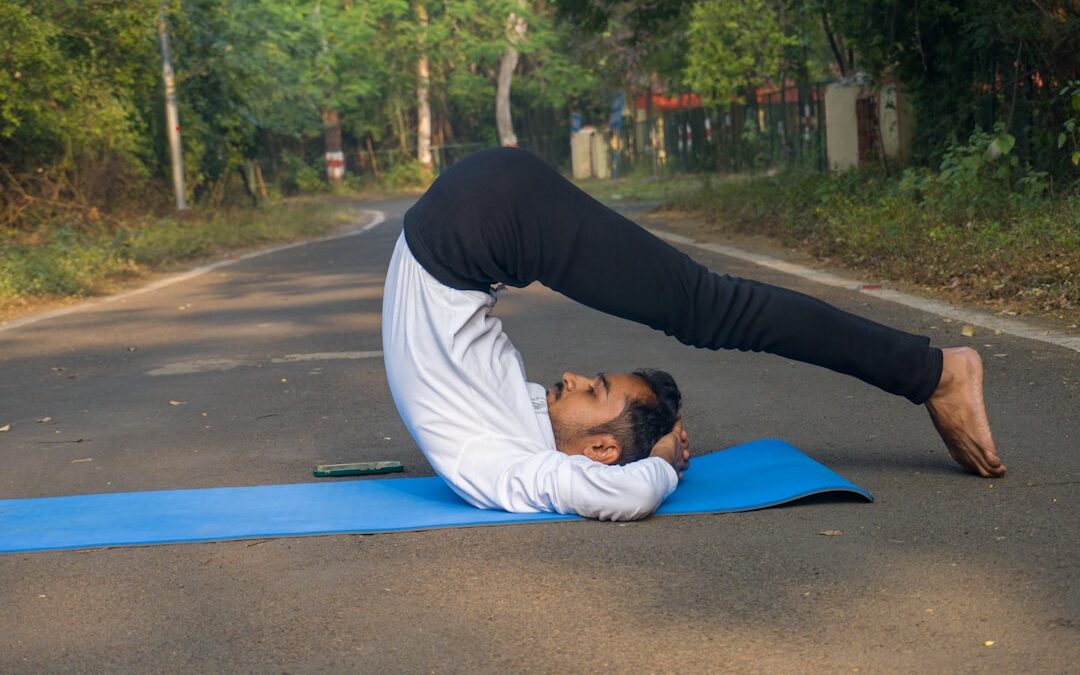
Daily mobility exercises play a crucial role in maintaining overall health and well-being, particularly as individuals age. These exercises are designed to enhance the range of motion in joints, improve flexibility, and promote better posture. Engaging in mobility work on a regular basis can significantly reduce the risk of injury, especially in older adults who may be more susceptible to falls and other accidents.
By incorporating mobility exercises into one’s daily routine, individuals can foster a greater sense of independence and improve their quality of life. Moreover, mobility exercises are not solely beneficial for seniors; they are essential for people of all ages. In a world where sedentary lifestyles are increasingly common due to desk jobs and technology use, the importance of maintaining joint health cannot be overstated.
Regular mobility work helps counteract the negative effects of prolonged sitting, such as stiffness and decreased circulation. By prioritizing daily mobility exercises, individuals can cultivate a more active lifestyle, which is vital for both physical and mental health.
Key Takeaways
- Daily mobility exercises enhance joint flexibility and overall movement quality.
- Regular practice reduces pain, improves balance, and supports independence, especially in seniors.
- Simple routines can be integrated into daily activities for consistent benefits.
- Proper form and gradual progression are key to safe and effective mobility improvement.
- Individuals with limitations should follow tailored modifications and consult professionals as needed.
Benefits of Regular Mobility Exercises
The benefits of regular mobility exercises extend far beyond mere flexibility. One of the most significant advantages is the enhancement of joint health. By promoting synovial fluid production within the joints, mobility exercises help lubricate them, reducing friction and wear over time.
This is particularly important for individuals with arthritis or other joint-related issues, as improved joint function can alleviate pain and discomfort. In addition to joint health, mobility exercises contribute to better muscle function. They help maintain muscle elasticity and strength, which are essential for performing daily activities such as bending, lifting, and reaching.
Improved muscle function also supports better balance and coordination, reducing the likelihood of falls. Furthermore, engaging in mobility work can enhance athletic performance for those involved in sports or physical activities, as it allows for greater movement efficiency and power generation.
How to Incorporate Mobility Exercises into Your Daily Routine

Incorporating mobility exercises into a daily routine can be both simple and enjoyable. One effective approach is to set aside a specific time each day dedicated to these exercises. This could be in the morning as part of a warm-up before more strenuous activities or in the evening as a way to unwind after a long day.
Establishing a consistent schedule helps reinforce the habit and ensures that mobility work becomes an integral part of one’s lifestyle. Another strategy is to integrate mobility exercises into existing activities. For instance, individuals can perform gentle stretches while watching television or practice hip openers during breaks at work.
Utilizing everyday moments to engage in mobility work not only makes it more accessible but also reinforces the idea that movement can be seamlessly woven into daily life. Additionally, using reminders or setting goals can help maintain motivation and accountability.
The Best Daily Mobility Exercises for Seniors
For seniors, selecting appropriate mobility exercises is essential to ensure safety while maximizing benefits. One highly effective exercise is the seated leg extension, which helps improve knee flexibility and strength without putting undue stress on the joints. To perform this exercise, sit in a sturdy chair with feet flat on the ground.
Slowly extend one leg out in front of you until it is straight, hold for a few seconds, then lower it back down. Repeat this motion several times on each leg. Another excellent mobility exercise for seniors is the standing calf stretch.
This exercise targets the calf muscles and promotes ankle flexibility, which is vital for maintaining balance. To perform this stretch, stand facing a wall with your hands pressed against it at shoulder height. Step one foot back while keeping it straight and bend the front knee slightly.
Hold this position for 15-30 seconds before switching legs. Incorporating these exercises into a daily routine can significantly enhance mobility and overall physical function.
Tips for Proper Form and Technique
| Exercise | Target Area | Duration/Reps | Benefits | Recommended Frequency |
|---|---|---|---|---|
| Ankle Circles | Ankles | 10 circles each direction | Improves ankle flexibility and balance | Daily |
| Seated Leg Raises | Quadriceps | 15 reps per leg | Strengthens thigh muscles for better mobility | Daily |
| Hip Marching | Hips and Core | 1 minute | Enhances hip mobility and core stability | Daily |
| Shoulder Rolls | Shoulders | 10 rolls forward and backward | Relieves tension and increases shoulder flexibility | Daily |
| Heel-to-Toe Walk | Balance and Coordination | 20 steps | Improves balance and prevents falls | Daily |
| Neck Stretches | Neck | Hold each stretch for 15 seconds | Reduces neck stiffness and improves range of motion | Daily |
| Chair Sit-to-Stand | Legs and Core | 10 reps | Builds leg strength and functional mobility | Daily |
Maintaining proper form and technique during mobility exercises is paramount to prevent injury and maximize effectiveness. One key aspect is to focus on controlled movements rather than rushing through exercises. Slow, deliberate motions allow for better muscle engagement and help ensure that joints are not subjected to excessive strain.
Additionally, paying attention to body alignment is crucial; keeping the spine neutral and avoiding excessive arching or rounding can help protect against injury. Breathing also plays an important role in executing mobility exercises effectively. Inhaling deeply during the preparation phase of an exercise and exhaling during exertion can enhance performance and promote relaxation.
It’s beneficial to listen to your body; if any movement causes pain or discomfort, it’s essential to stop and reassess your form or modify the exercise accordingly. Engaging in regular self-assessment can help individuals develop a deeper awareness of their bodies and improve their overall technique.
How to Progress and Modify Exercises as You Improve

As individuals become more comfortable with their mobility exercises, it’s important to introduce progression to continue challenging the body and promoting improvement. One way to progress is by increasing the duration or repetitions of each exercise gradually. For example, if you start with 10 repetitions of a particular stretch, aim to increase that number by one or two each week until you reach a comfortable level that still feels challenging.
Modifying exercises can also be an effective way to ensure continued progress. For instance, if a seated stretch becomes too easy, transitioning to a standing version can add an extra challenge while still targeting the same muscle groups. Additionally, incorporating resistance bands or light weights can further enhance strength-building aspects of mobility work without compromising form or safety.
It’s essential to listen to your body during this process; if an exercise feels too difficult or causes discomfort, reverting to an easier variation is perfectly acceptable.
Precautions and Considerations for Those with Mobility Limitations
For individuals with mobility limitations or chronic conditions, it’s crucial to approach mobility exercises with caution and mindfulness. Consulting with a healthcare professional or physical therapist before starting any new exercise regimen is advisable to ensure safety and appropriateness based on individual health status. They can provide tailored recommendations that consider specific limitations or concerns.
When engaging in mobility exercises, it’s important to start slowly and focus on gentle movements that do not exacerbate existing conditions. Utilizing supportive equipment such as chairs or walls for balance can provide additional safety during exercises. Additionally, being aware of one’s body signals is vital; if any movement causes pain or discomfort beyond normal stretching sensations, it’s essential to stop immediately and reassess the approach being taken.
Additional Resources for Mobility Exercise Routines
Numerous resources are available for individuals seeking guidance on mobility exercise routines tailored to their needs. Online platforms such as YouTube offer a wealth of instructional videos led by certified trainers specializing in senior fitness and mobility work. These videos often provide step-by-step instructions and modifications for various fitness levels.
Books focused on senior fitness or rehabilitation can also serve as valuable resources, offering detailed explanations of exercises along with illustrations that demonstrate proper form. Local community centers or senior centers may host classes specifically designed for improving mobility, providing opportunities for social interaction while engaging in physical activity. Additionally, many fitness apps now include sections dedicated to flexibility and mobility training, allowing users to track their progress and stay motivated on their journey toward improved movement health.