
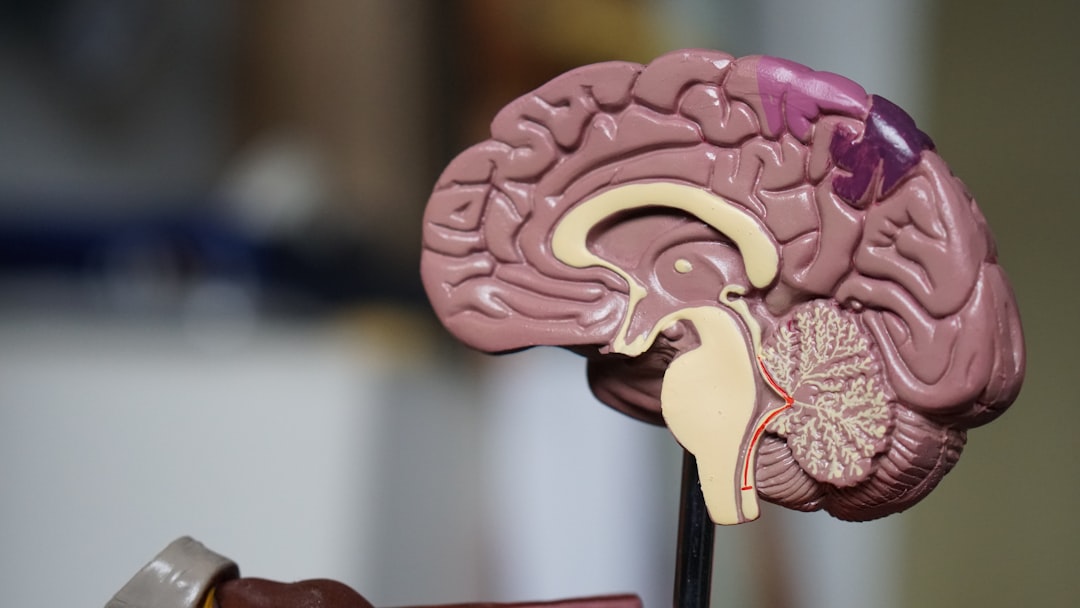
Memory loss is a complex phenomenon that can manifest in various forms and degrees. It is often characterized by the inability to recall information, experiences, or learned skills. Memory loss can be temporary or permanent, and it may affect short-term memory, long-term memory, or both. Understanding the nature of memory loss is crucial for distinguishing between normal cognitive aging and more serious conditions such as dementia or Alzheimer’s disease. Memory is not a singular function but rather a collection of processes that involve encoding, storing, and retrieving information. When these processes are disrupted, individuals may experience difficulties in remembering recent events or recalling past experiences.
The brain’s structure and function play a significant role in memory retention and recall. As people age, certain changes occur in the brain that can impact memory. For instance, the hippocampus, a region critical for forming new memories, may shrink with age. Additionally, the connections between neurons can weaken, leading to slower processing speeds and difficulties in accessing stored information. While some degree of memory decline is common with aging, it is essential to recognize when these changes may indicate a more serious underlying issue. Understanding the nuances of memory loss can help individuals and their families navigate the challenges associated with cognitive decline.
Key Takeaways
- Memory loss can be a normal part of aging but may also indicate underlying health issues.
- Recognizing the difference between normal aging signs and concerning memory loss is crucial.
- Various factors, including medical conditions and lifestyle, can cause memory loss.
- Preventative measures like healthy habits and mental exercises can help reduce memory decline.
- Seeking professional help and support is important for managing and coping with memory loss.
Signs of Normal Aging
As individuals age, they may notice subtle changes in their cognitive abilities, including memory. These changes are often considered a normal part of the aging process. For example, older adults may find it takes longer to learn new information or may occasionally forget names or appointments. Such lapses are typically infrequent and do not significantly interfere with daily life. Normal aging can also involve a decline in the ability to multitask or focus on multiple tasks simultaneously, as cognitive resources become more limited over time.
In addition to memory changes, older adults may experience shifts in attention and processing speed. They might find that they need more time to absorb information or that distractions are more challenging to manage. However, these signs of aging do not necessarily indicate a decline in overall intelligence or capability. Many older adults continue to excel in areas such as problem-solving and decision-making, drawing on their wealth of life experience. Recognizing these signs as part of normal aging can help individuals maintain a positive outlook on their cognitive health.
Signs of Memory Loss

While some memory changes are typical with aging, certain signs may indicate more significant memory loss that warrants attention. One common sign is frequent forgetfulness that disrupts daily life, such as misplacing items regularly or forgetting important dates and events. Individuals may also struggle to follow conversations or lose track of what they were saying mid-sentence. These symptoms can be frustrating and may lead to feelings of embarrassment or confusion.
Another concerning sign is the inability to recall recent events or learn new information. For instance, an individual might forget what they had for breakfast or struggle to remember the names of new acquaintances shortly after meeting them. Additionally, if someone begins to withdraw from social activities or hobbies they once enjoyed due to memory difficulties, it may signal a deeper issue. Recognizing these signs early can be crucial for seeking appropriate help and intervention.
Causes of Memory Loss
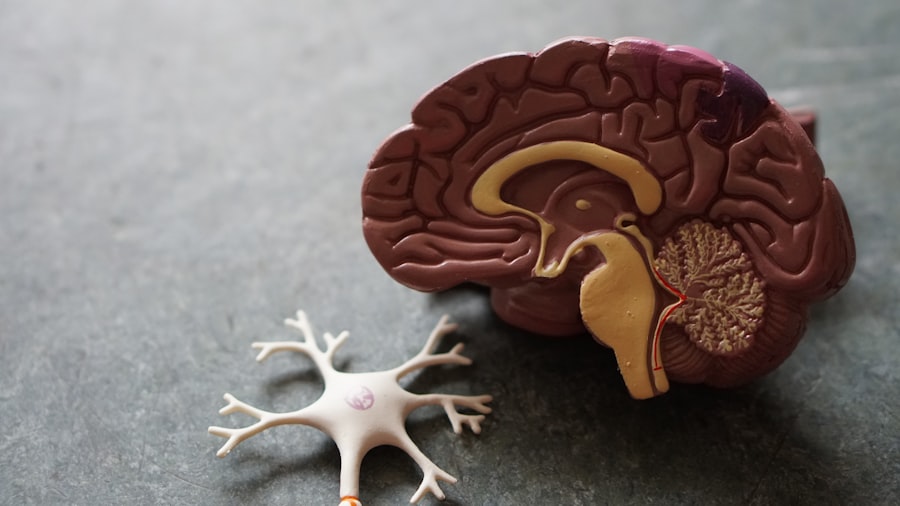
Memory loss can arise from various causes, ranging from benign factors to more serious medical conditions. One common cause is age-related cognitive decline, which affects many individuals as they grow older. This type of memory loss is often gradual and does not typically interfere significantly with daily functioning. However, other factors can contribute to memory impairment, including medical conditions such as stroke, traumatic brain injury, or infections that affect the brain.
Mental health issues can also play a role in memory loss. Conditions like depression and anxiety can lead to difficulties in concentration and focus, which may be mistaken for memory problems. Additionally, substance abuse, particularly alcohol and certain medications, can impair cognitive function and lead to memory lapses. In some cases, neurodegenerative diseases such as Alzheimer’s disease or other forms of dementia are responsible for more severe and progressive memory loss. Understanding the various causes of memory loss is essential for determining appropriate treatment and support options.
Preventing Memory Loss
| Aspect | Normal Aging | Memory Loss (Possible Dementia) |
|---|---|---|
| Frequency of Forgetfulness | Occasional, such as misplacing keys | Frequent, forgetting important dates or events |
| Recall Ability | Improves with cues or reminders | Difficulty recalling even with cues |
| Impact on Daily Life | Minimal, does not interfere with routine tasks | Significant, affects ability to perform daily activities |
| Problem Solving | May slow down but remains effective | Marked difficulty in planning or solving problems |
| Language Skills | Occasional word-finding difficulty | Frequent trouble finding words or following conversations |
| Orientation to Time and Place | Generally accurate | Often confused about dates, seasons, or location |
| Emotional Changes | Stable mood | Possible mood swings, depression, or anxiety |
While some degree of memory decline is inevitable with aging, there are several strategies individuals can adopt to help mitigate its effects. Engaging in regular physical activity has been shown to promote brain health by improving blood flow and encouraging the growth of new neurons. Activities such as walking, swimming, or even gardening can contribute positively to cognitive function. Additionally, maintaining a balanced diet rich in antioxidants, healthy fats, and vitamins can support brain health and potentially reduce the risk of cognitive decline.
Mental stimulation is another critical factor in preventing memory loss. Engaging in activities that challenge the brain—such as puzzles, reading, learning new skills, or playing musical instruments—can help maintain cognitive function over time. Social interaction also plays a vital role; staying connected with friends and family can provide emotional support and mental engagement that benefits overall well-being. By adopting a proactive approach to brain health through lifestyle choices, individuals may enhance their cognitive resilience as they age.
Seeking Help for Memory Loss
When memory loss becomes noticeable or begins to interfere with daily life, seeking professional help is essential. A healthcare provider can conduct a thorough evaluation to determine the underlying cause of memory issues. This evaluation may include a physical examination, cognitive tests, and possibly imaging studies such as MRI or CT scans to assess brain health. Early diagnosis is crucial for addressing any treatable conditions and for planning appropriate interventions.
In some cases, referral to a specialist such as a neurologist or geriatrician may be necessary for further assessment and management. These professionals can provide insights into specific types of memory disorders and recommend tailored treatment options. Support groups and counseling services may also be beneficial for individuals experiencing memory loss and their families, offering resources and coping strategies for managing the emotional impact of cognitive decline.
Coping with Memory Loss
Coping with memory loss can be challenging for both individuals experiencing it and their loved ones. Developing effective coping strategies is essential for maintaining quality of life despite cognitive changes. One approach is to establish routines that incorporate reminders for daily tasks and appointments. Using calendars, planners, or digital reminders can help individuals stay organized and reduce anxiety related to forgetfulness.
Additionally, practicing mindfulness techniques can aid in managing stress associated with memory loss. Mindfulness encourages individuals to focus on the present moment rather than dwelling on past mistakes or future uncertainties. Engaging in relaxation exercises such as deep breathing or meditation can also promote emotional well-being. Support from family members and friends is vital; open communication about memory challenges can foster understanding and create an environment where individuals feel comfortable discussing their experiences.
Supporting Loved Ones with Memory Loss
Supporting a loved one experiencing memory loss requires patience, empathy, and understanding. It is essential to approach the situation with compassion while recognizing the challenges they face daily. One effective way to provide support is by maintaining open lines of communication. Encouraging your loved one to express their feelings about their memory challenges can help them feel heard and validated.
Creating a supportive environment at home is also crucial. Simplifying surroundings by reducing clutter can minimize distractions and make it easier for individuals with memory loss to navigate their space. Establishing consistent routines can provide structure and familiarity that may ease anxiety related to forgetfulness. Additionally, engaging in activities together—such as reminiscing about shared experiences or participating in hobbies—can strengthen bonds while providing mental stimulation.
In conclusion, understanding memory loss involves recognizing its complexities and differentiating between normal aging processes and more serious conditions. By being aware of the signs of both normal aging and concerning memory loss, individuals can take proactive steps toward prevention and seek help when necessary. Coping strategies and support systems play vital roles in managing the emotional impact of memory challenges for both individuals experiencing them and their loved ones. Through awareness and understanding, it is possible to navigate the complexities of memory loss while maintaining dignity and quality of life.