

Memory loss is a common cognitive issue that can manifest in various forms, ranging from mild forgetfulness to severe amnesia. It can affect individuals of all ages, but it is particularly prevalent among older adults. Memory loss can be categorized into two types: short-term and long-term. Short-term memory loss may involve difficulty recalling recent events or conversations, while long-term memory loss can affect the recollection of past experiences and learned information. This condition can arise from numerous factors, including neurological disorders, psychological conditions, and even lifestyle choices.
The impact of memory loss on daily life can be significant. Individuals may struggle to remember appointments, names, or important dates, leading to frustration and confusion. In more severe cases, memory loss can interfere with the ability to perform routine tasks or maintain relationships. It is essential to recognize that memory loss is not always a natural part of aging; it can be a symptom of underlying health issues such as Alzheimer’s disease or other forms of dementia. Early diagnosis and intervention can help manage symptoms and improve quality of life.
Key Takeaways
- Memory loss and difficulty with everyday tasks are common early signs of cognitive decline.
- Disorientation and poor judgment can indicate worsening mental function.
- Changes in mood, personality, and communication difficulties often accompany cognitive issues.
- Misplacing items frequently and neglecting hygiene or self-care are warning signs.
- Monitoring these symptoms can help in early detection and management of cognitive disorders.
Difficulty with Everyday Tasks
Difficulty with everyday tasks is another common symptom that can arise from cognitive decline. Individuals may find it challenging to perform activities that were once routine, such as cooking, cleaning, or managing finances. This decline in functional ability can lead to increased dependence on family members or caregivers, which can be distressing for both parties. The inability to complete these tasks may stem from a combination of cognitive impairment and physical limitations, making it essential to address both aspects when providing support.
In some cases, individuals may become overwhelmed by the complexity of tasks that require multiple steps. For example, preparing a meal may involve planning, shopping for ingredients, and following a recipe—each step requiring cognitive engagement. When faced with such challenges, individuals may resort to simplifying their routines or avoiding certain activities altogether. This avoidance can lead to a decrease in overall well-being and social interaction, further exacerbating feelings of isolation and helplessness.
Disorientation
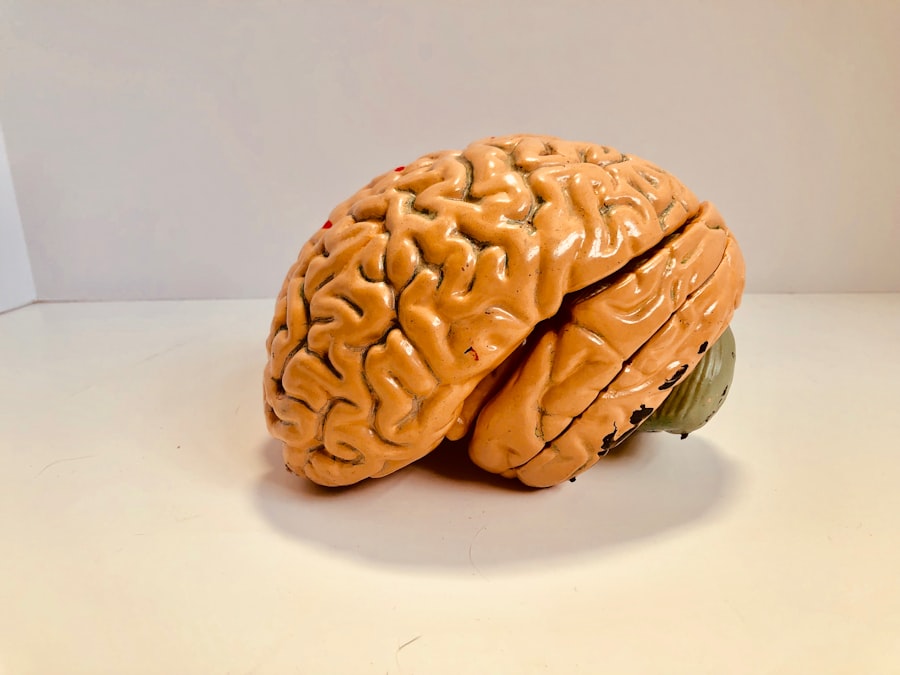
Disorientation is characterized by confusion regarding time, place, or identity. Individuals experiencing disorientation may struggle to recognize familiar surroundings or may become lost in their own neighborhoods. This symptom can be particularly alarming for both the individual and their loved ones, as it raises concerns about safety and independence. Disorientation can occur in various contexts, including during periods of stress or illness, but it is often associated with more serious cognitive disorders.
The experience of disorientation can vary widely among individuals. Some may only experience occasional lapses in awareness, while others may face persistent confusion that affects their ability to navigate daily life. This symptom can lead to anxiety and frustration, as individuals may feel a loss of control over their environment. Supportive measures, such as creating structured routines and using visual cues, can help mitigate the effects of disorientation and promote a sense of stability.
Changes in Mood or Personality

Changes in mood or personality are often observed in individuals experiencing cognitive decline. These changes can manifest as increased irritability, anxiety, or depression, which may not have been present before the onset of cognitive issues. Family members and friends may notice that the individual becomes more withdrawn or exhibits behaviors that are out of character. Such shifts can be distressing for both the individual and their support network, as they may struggle to understand the underlying causes.
The relationship between cognitive decline and emotional health is complex. Cognitive impairments can lead to frustration and a sense of loss, which may contribute to mood changes. Conversely, mood disorders can exacerbate cognitive symptoms, creating a cycle that is difficult to break. It is crucial for caregivers and loved ones to approach these changes with empathy and understanding, recognizing that the individual may be grappling with feelings of confusion and fear about their condition.
Poor Judgment
| Early Warning Sign | Description | Common Examples | Why It Matters |
|---|---|---|---|
| Memory Loss Affecting Daily Life | Frequent forgetting of recently learned information or important dates. | Forgetting appointments, repeating questions, misplacing items. | May indicate the onset of cognitive decline impacting routine activities. |
| Difficulty Planning or Solving Problems | Struggling to develop and follow a plan or work with numbers. | Difficulty following recipes, managing bills, or keeping track of tasks. | Shows impairment in executive functioning essential for daily management. |
| Challenges Completing Familiar Tasks | Problems performing routine tasks at home, work, or leisure. | Difficulty driving to a familiar location, managing a budget, or playing a favorite game. | Indicates decline in procedural memory and cognitive skills. |
| Confusion with Time or Place | Losing track of dates, seasons, and the passage of time. | Forgetting where they are or how they got there. | Disorientation can lead to safety risks and increased dependency. |
| Trouble Understanding Visual Images and Spatial Relationships | Difficulty reading, judging distance, or determining color or contrast. | Problems driving, recognizing faces, or navigating stairs. | Affects independence and increases risk of accidents. |
| New Problems with Words in Speaking or Writing | Struggling to follow or join conversations, or finding the right words. | Stopping mid-sentence, repeating themselves, or calling things by the wrong name. | Communication difficulties can lead to social withdrawal. |
| Misplacing Things and Losing the Ability to Retrace Steps | Putting things in unusual places and being unable to find them. | Accusing others of stealing or losing items frequently. | May cause frustration and mistrust within families. |
| Decreased or Poor Judgment | Changes in decision-making or judgment, especially with money or grooming. | Giving away large sums of money or neglecting personal hygiene. | Can lead to financial loss and health risks. |
| Withdrawal from Work or Social Activities | Removing themselves from hobbies, social events, or work projects. | Avoiding friends, family gatherings, or favorite pastimes. | Social isolation can worsen cognitive decline and mood disorders. |
| Changes in Mood and Personality | Becoming confused, suspicious, depressed, fearful, or anxious. | Uncharacteristic mood swings, irritability, or apathy. | Emotional changes affect relationships and quality of life. |
Poor judgment is another significant indicator of cognitive decline that can have serious implications for an individual’s safety and well-being. This symptom may manifest in various ways, such as making uncharacteristic financial decisions, neglecting personal safety, or engaging in risky behaviors. Individuals may struggle to assess situations accurately or consider the consequences of their actions, leading to choices that could jeopardize their health or financial stability.
The decline in judgment often correlates with the deterioration of cognitive functions such as reasoning and problem-solving skills. For example, an individual who once managed their finances responsibly may begin to make impulsive purchases or fail to pay bills on time. This shift can create additional stress for family members who may need to intervene to protect the individual from potential harm. Addressing poor judgment requires a multifaceted approach that includes education about risks and support in decision-making processes.
Difficulty with Communication
Difficulty with communication is a prevalent issue among individuals experiencing cognitive decline. This symptom can manifest as trouble finding the right words, forming coherent sentences, or following conversations. Individuals may become frustrated when they cannot express their thoughts clearly or when others struggle to understand them. This breakdown in communication can lead to feelings of isolation and helplessness, further impacting emotional well-being.
The challenges associated with communication can vary depending on the underlying cause of cognitive decline. For instance, individuals with Alzheimer’s disease may experience word-finding difficulties early on, while those with other forms of dementia might struggle with comprehension later in the disease progression. Speech therapy and other interventions can help improve communication skills and provide strategies for both individuals and their caregivers to facilitate more effective interactions.
Misplacing Items
Misplacing items is a common experience for many people; however, when it becomes frequent or severe, it may indicate cognitive decline. Individuals may find themselves unable to locate everyday items such as keys, glasses, or wallets, leading to frustration and confusion. This symptom often reflects underlying memory issues but can also be linked to disorganization or difficulty concentrating on tasks at hand.
The act of misplacing items can have broader implications for an individual’s daily life. Frequent misplacement may lead to increased anxiety about losing important belongings or forgetting essential tasks. Family members might feel compelled to step in and assist with organization or reminders, which can create tension in relationships if not approached sensitively. Implementing strategies such as designated storage spaces for frequently used items can help mitigate this issue and promote a sense of control.
Changes in Hygiene and Self-Care
Changes in hygiene and self-care are often observed in individuals experiencing cognitive decline. These changes may manifest as neglecting personal grooming habits, failing to maintain cleanliness in living spaces, or disregarding dietary needs. Such shifts can be concerning for family members who recognize that these behaviors are not typical for the individual. The decline in self-care often reflects a combination of cognitive impairment and emotional distress.
The reasons behind changes in hygiene and self-care are multifaceted. Cognitive decline can impair an individual’s ability to plan and execute daily routines effectively. Additionally, emotional factors such as depression or apathy may contribute to a lack of motivation for self-care activities. Addressing these changes requires a compassionate approach that encourages independence while providing necessary support. Caregivers can help by establishing structured routines and offering gentle reminders without undermining the individual’s dignity.
In conclusion, cognitive decline encompasses a range of symptoms that significantly impact an individual’s daily life and overall well-being. Memory loss, difficulty with everyday tasks, disorientation, mood changes, poor judgment, communication challenges, misplacing items, and changes in hygiene are all interconnected aspects that require careful consideration and support from caregivers and loved ones. Understanding these symptoms is crucial for fostering an environment that promotes dignity and quality of life for those affected by cognitive decline.