
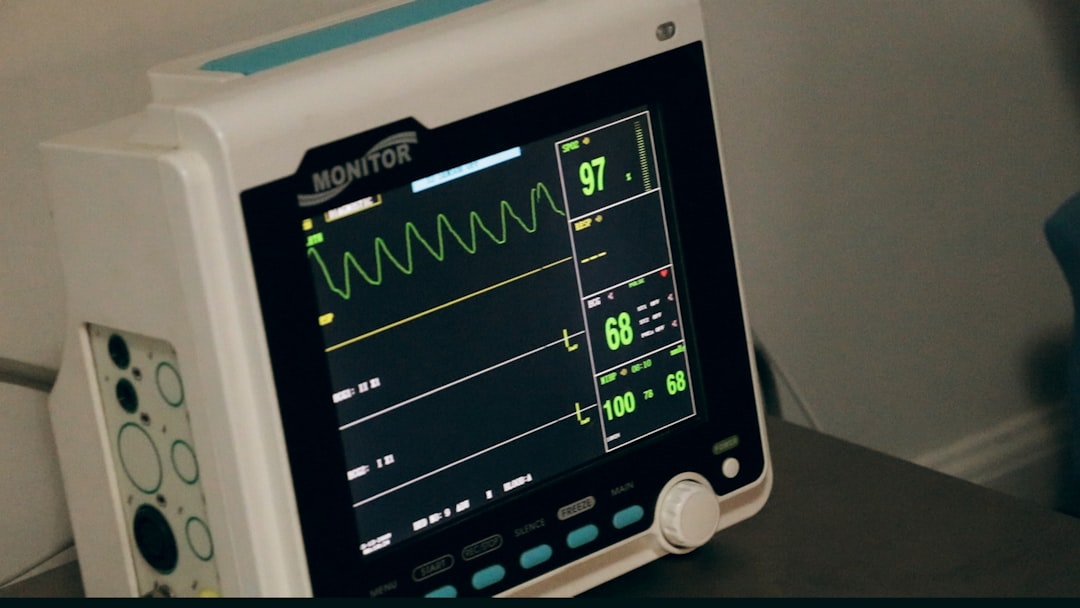
As individuals age, their bodies undergo various physiological changes that can significantly impact heart health. The cardiovascular system, which includes the heart and blood vessels, may experience alterations in structure and function. For instance, the heart muscle can become stiffer, leading to a decrease in its ability to pump blood efficiently. Additionally, the arteries may lose elasticity, which can contribute to increased blood pressure. These changes are often gradual and may not be immediately noticeable, but they can have profound implications for overall health.
Moreover, aging is frequently accompanied by an increase in the prevalence of chronic conditions such as hypertension, diabetes, and high cholesterol. These conditions can further exacerbate heart health issues and increase the risk of cardiovascular diseases. Understanding these changes is crucial for older adults and their caregivers, as it allows for proactive measures to be taken to mitigate risks. Awareness of how aging affects the heart can empower individuals to make informed decisions about their health and lifestyle choices.
Key Takeaways
- Heart health changes with age require understanding and proactive management.
- Lifestyle factors like diet, exercise, and stress significantly impact heart health.
- Common concerns in retirement include hypertension, cholesterol, and heart disease risk.
- Regular medical check-ups and screenings are crucial for early detection and prevention.
- Managing stress, staying active, and maintaining a balanced diet support long-term heart health.
Lifestyle Factors Impacting Heart Health
Lifestyle choices play a pivotal role in determining heart health, particularly as individuals enter retirement. Factors such as diet, physical activity, smoking, and alcohol consumption can significantly influence cardiovascular well-being. A balanced diet rich in fruits, vegetables, whole grains, and lean proteins is essential for maintaining heart health. Conversely, diets high in saturated fats, sugars, and processed foods can lead to weight gain and increased cholesterol levels, both of which are detrimental to cardiovascular health.
Physical activity is another critical component of a heart-healthy lifestyle. Regular exercise helps maintain a healthy weight, lowers blood pressure, and improves cholesterol levels. For retirees, finding enjoyable ways to stay active can enhance adherence to exercise routines. Activities such as walking, swimming, or participating in group classes can provide both physical benefits and social engagement, which is important for mental well-being. By making conscious lifestyle choices, older adults can significantly reduce their risk of heart disease and improve their quality of life.
Common Heart Health Concerns in Retirement

As individuals transition into retirement, they may encounter specific heart health concerns that warrant attention. One prevalent issue is the increased risk of coronary artery disease (CAD), which occurs when the arteries supplying blood to the heart become narrowed or blocked. This condition can lead to chest pain (angina) or even heart attacks. The risk factors for CAD often accumulate over time, making it essential for retirees to monitor their cardiovascular health closely.
Another common concern is heart failure, a condition where the heart cannot pump blood effectively to meet the body’s needs. This can result from various factors, including previous heart attacks or long-standing high blood pressure. Symptoms may include fatigue, shortness of breath, and fluid retention. Recognizing these symptoms early and seeking medical advice can be crucial in managing heart failure effectively. By understanding these common concerns, retirees can take proactive steps to safeguard their heart health.
Importance of Regular Check-Ups and Screenings

Regular check-ups and screenings are vital components of maintaining heart health in retirement. These appointments allow healthcare providers to monitor key indicators such as blood pressure, cholesterol levels, and blood sugar levels. Early detection of any abnormalities can lead to timely interventions that may prevent more serious complications down the line. For instance, if high blood pressure is identified during a routine check-up, lifestyle modifications or medication can be initiated to manage it effectively.
Screenings for conditions such as diabetes and high cholesterol are also essential for older adults. These conditions often go unnoticed until they have progressed significantly. By participating in regular screenings, retirees can gain valuable insights into their cardiovascular risk factors and take appropriate action. Establishing a routine of regular medical visits fosters a proactive approach to health management and encourages individuals to engage in discussions with their healthcare providers about any concerns they may have regarding their heart health.
Managing Stress and Mental Health
| Metric | Before Retirement | After Retirement | Notes |
|---|---|---|---|
| Average Resting Heart Rate (bpm) | 70 | 72 | Slight increase due to reduced physical activity |
| Blood Pressure (mm Hg) | 120/80 | 130/85 | May rise with age and lifestyle changes |
| Cholesterol Levels (mg/dL) | 190 | 210 | Watch diet and medication adherence |
| Physical Activity (minutes/week) | 150 | 90 | Often decreases after retirement |
| Body Mass Index (BMI) | 24 | 26 | Weight gain common post-retirement |
| Incidence of Heart Disease (%) | 10 | 15 | Risk increases with age and lifestyle |
| Stress Levels (scale 1-10) | 6 | 4 | Generally lower stress after retirement |
| Sleep Quality (hours/night) | 6.5 | 7.5 | Improved sleep can benefit heart health |
Mental health plays a significant role in overall well-being and can directly impact heart health. Chronic stress has been linked to various cardiovascular issues, including hypertension and increased risk of heart disease. As individuals retire, they may experience changes in their daily routines and social interactions that can lead to feelings of isolation or anxiety. It is essential for retirees to develop effective stress management techniques to mitigate these risks.
Engaging in activities that promote relaxation and mental well-being is crucial. Practices such as mindfulness meditation, yoga, or spending time in nature can help reduce stress levels. Additionally, maintaining social connections through community involvement or hobbies can provide emotional support and enhance overall quality of life. By prioritizing mental health and implementing stress-reduction strategies, retirees can contribute positively to their heart health.
Exercise and Physical Activity Recommendations
Physical activity is a cornerstone of maintaining heart health during retirement. The American Heart Association recommends that older adults engage in at least 150 minutes of moderate-intensity aerobic exercise each week. This can include activities such as brisk walking, cycling, or swimming. Incorporating strength training exercises at least twice a week is also beneficial for maintaining muscle mass and bone density.
Finding enjoyable forms of exercise is key to sustaining an active lifestyle. Many retirees find success in group classes or community programs that offer social interaction alongside physical activity. Additionally, incorporating movement into daily routines—such as gardening or taking the stairs—can contribute to overall physical activity levels without feeling like a chore. By prioritizing regular exercise, retirees can improve cardiovascular fitness and enhance their overall well-being.
Nutrition and Diet Considerations
Nutrition plays a critical role in supporting heart health during retirement years. A heart-healthy diet emphasizes whole foods while minimizing processed items high in sodium and unhealthy fats. Incorporating a variety of fruits and vegetables provides essential vitamins and minerals that support cardiovascular function. Whole grains are also important as they help regulate blood sugar levels and maintain healthy cholesterol levels.
In addition to focusing on what to eat, it is equally important for retirees to be mindful of portion sizes and meal timing. Eating smaller meals more frequently throughout the day can help manage hunger and prevent overeating. Staying hydrated is also essential; drinking adequate water supports overall bodily functions and aids digestion. By making informed dietary choices, retirees can significantly impact their heart health and reduce the risk of cardiovascular diseases.
Resources and Support for Maintaining Heart Health
Numerous resources are available to support older adults in maintaining their heart health. Community organizations often offer programs focused on nutrition education, exercise classes tailored for seniors, and support groups for those managing chronic conditions. These resources provide valuable information and foster a sense of community among participants.
Additionally, healthcare providers play a crucial role in guiding retirees toward appropriate resources for managing their heart health. Regular consultations with physicians or cardiologists can help individuals stay informed about the latest recommendations for cardiovascular care. Online platforms also offer a wealth of information on heart health topics, including dietary guidelines and exercise recommendations tailored for older adults. By utilizing these resources effectively, retirees can take proactive steps toward maintaining their cardiovascular well-being throughout their later years.