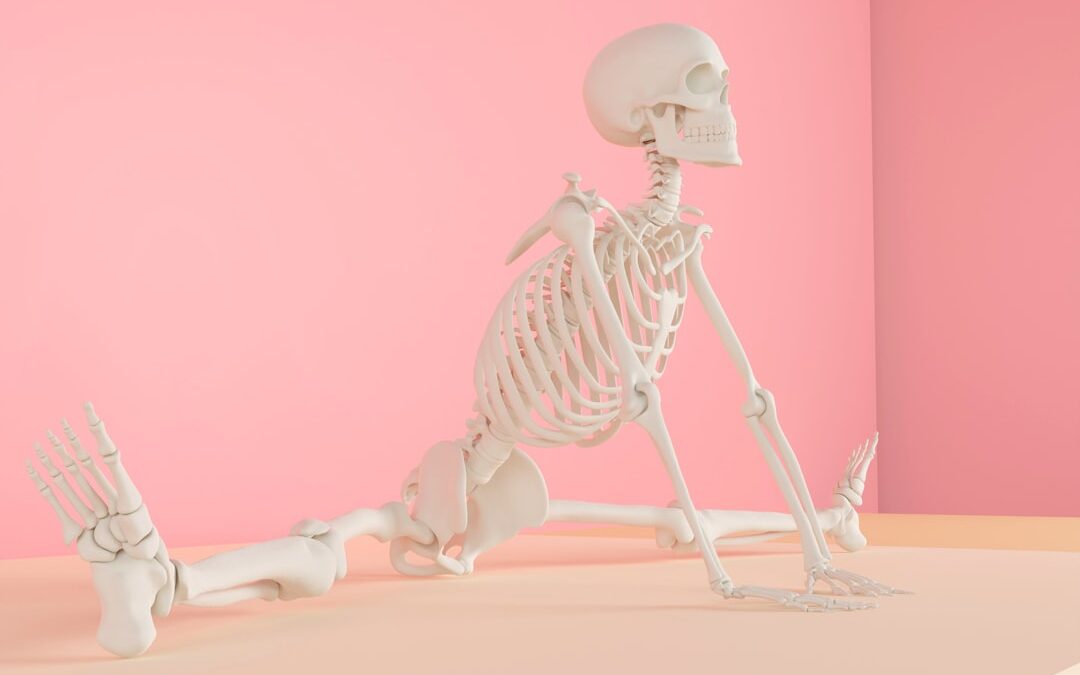
Osteoporosis is a medical condition characterized by a decrease in bone density, leading to an increased risk of fractures. This condition occurs when the body loses too much bone mass or does not produce enough new bone to replace what has been lost. As a result, bones become fragile and more susceptible to breaks, even from minor falls or injuries. Osteoporosis is often referred to as a “silent disease” because it typically progresses without noticeable symptoms until a fracture occurs. The condition is most commonly diagnosed in older adults, particularly postmenopausal women, due to hormonal changes that affect bone density.
The pathophysiology of osteoporosis involves a complex interplay of genetic, hormonal, and environmental factors. Age-related changes in bone remodeling, where the balance between bone resorption and formation is disrupted, contribute significantly to the development of osteoporosis. Additionally, certain risk factors such as family history, low body weight, and lifestyle choices can exacerbate the condition. Understanding these underlying mechanisms is crucial for both prevention and management strategies aimed at maintaining bone health.
Key Takeaways
- Osteoporosis is a condition characterized by weakened bones, increasing fracture risk, especially in seniors.
- Proper nutrition, including adequate calcium and vitamin D intake, is crucial for maintaining strong bones.
- Regular weight-bearing and muscle-strengthening exercises help prevent bone loss and improve bone density.
- Lifestyle modifications, such as quitting smoking and limiting alcohol, support bone health and reduce osteoporosis risk.
- Fall prevention strategies and medical treatments are essential for managing osteoporosis and minimizing fracture complications.
Importance of Bone Health in Seniors
Maintaining bone health is particularly important for seniors, as they are at a higher risk for osteoporosis and related fractures. The consequences of fractures in older adults can be severe, often leading to decreased mobility, loss of independence, and increased mortality rates. Hip fractures, for instance, are associated with significant morbidity and can result in long-term care needs. Therefore, prioritizing bone health in this demographic is essential for enhancing quality of life and reducing healthcare costs associated with osteoporosis-related injuries.
Moreover, strong bones contribute to overall physical stability and balance, which are critical for preventing falls. As individuals age, their muscle mass and strength tend to decline, further increasing the risk of falls and subsequent fractures. By focusing on bone health through preventive measures, seniors can improve their physical resilience and maintain their ability to perform daily activities. This proactive approach not only supports individual well-being but also alleviates the burden on caregivers and healthcare systems.
Nutrition and Osteoporosis Prevention

Nutrition plays a vital role in the prevention of osteoporosis. A balanced diet rich in essential nutrients is fundamental for maintaining bone density throughout life. Key nutrients include calcium and vitamin D, which are crucial for bone formation and maintenance. Calcium is a primary component of bone tissue, while vitamin D enhances calcium absorption in the intestines. A deficiency in either nutrient can lead to weakened bones and an increased risk of osteoporosis.
In addition to calcium and vitamin D, other nutrients such as magnesium, phosphorus, and vitamin K also contribute to bone health. Magnesium helps convert vitamin D into its active form, while phosphorus is involved in the structural integrity of bones. Vitamin K plays a role in bone mineralization and may help reduce fracture risk. Therefore, a diet that includes a variety of fruits, vegetables, whole grains, lean proteins, and dairy products can provide the necessary nutrients to support bone health and prevent osteoporosis.
Exercise and Osteoporosis Prevention
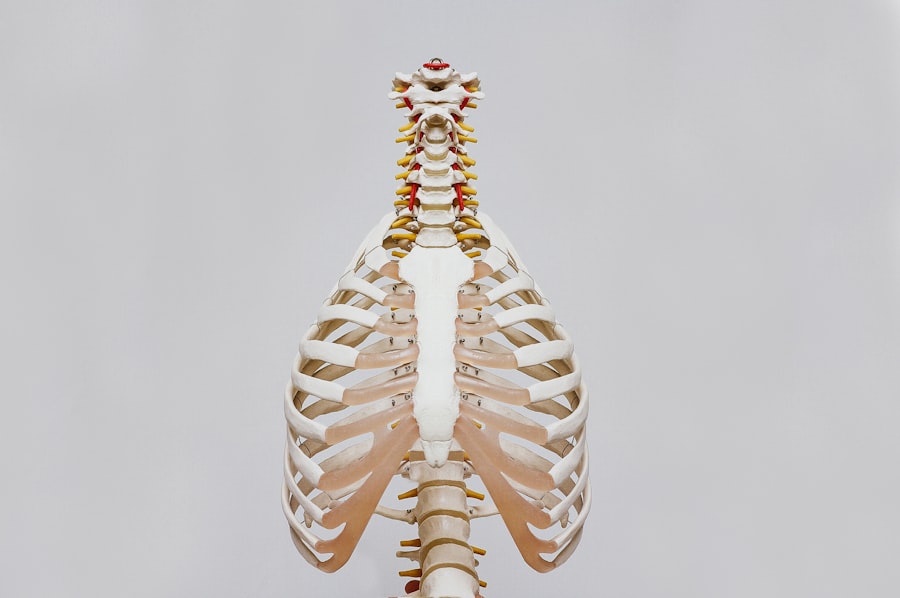
Regular physical activity is another critical component in the prevention of osteoporosis. Weight-bearing exercises, such as walking, jogging, and dancing, stimulate bone formation by placing stress on the bones, which encourages them to strengthen. Resistance training is also beneficial as it helps build muscle mass and improve overall strength, which can enhance balance and coordination—key factors in fall prevention.
Incorporating a variety of exercises into a routine can maximize benefits for bone health. Activities that promote flexibility and balance, such as yoga or tai chi, can further reduce the risk of falls among seniors. It is important for individuals to consult with healthcare professionals before starting any new exercise program, especially if they have existing health conditions or concerns about their bone health. A tailored exercise regimen can help ensure safety while effectively promoting stronger bones.
Vitamin D and Calcium Intake for Strong Bones
| Prevention Strategy | Description | Recommended Frequency/Amount | Expected Benefit |
|---|---|---|---|
| Calcium Intake | Consume calcium-rich foods or supplements to support bone density | 1200 mg daily | Improves bone mineral density and reduces fracture risk |
| Vitamin D | Enhances calcium absorption and bone growth | 800-1000 IU daily | Reduces risk of osteoporosis and bone fractures |
| Weight-Bearing Exercise | Activities like walking, jogging, or dancing to stimulate bone strength | At least 30 minutes, 3-5 times per week | Increases bone density and muscle strength |
| Resistance Training | Strength training exercises to improve bone and muscle health | 2-3 times per week | Enhances bone mass and reduces fall risk |
| Balanced Diet | Include fruits, vegetables, and protein for overall bone health | Daily balanced meals | Supports bone remodeling and repair |
| Avoid Smoking & Excessive Alcohol | Reduce habits that weaken bone structure | Complete avoidance or moderation | Prevents bone loss and improves healing |
| Regular Bone Density Screening | Monitor bone health to detect early osteoporosis | Every 1-2 years after age 65 or earlier if risk factors present | Early intervention to prevent fractures |
Vitamin D and calcium are often highlighted as cornerstones of bone health due to their synergistic effects on maintaining bone density. Calcium is essential for building and maintaining strong bones; however, without adequate vitamin D levels, the body cannot effectively absorb calcium from dietary sources or supplements. This relationship underscores the importance of ensuring sufficient intake of both nutrients.
For adults aged 50 and older, the recommended dietary allowance (RDA) for calcium is approximately 1,200 mg per day, while the RDA for vitamin D is around 800 to 1,000 IU per day. These recommendations may vary based on individual health needs and geographic location due to differences in sunlight exposure—an important source of vitamin D. Foods rich in calcium include dairy products, leafy greens, and fortified foods, while fatty fish and fortified cereals are good sources of vitamin D. For those who struggle to meet these requirements through diet alone, supplements may be necessary under the guidance of a healthcare provider.
Lifestyle Changes for Osteoporosis Prevention
Making lifestyle changes can significantly impact the prevention of osteoporosis. Smoking cessation is one of the most important modifications individuals can make; smoking has been linked to decreased bone density and increased fracture risk. Additionally, excessive alcohol consumption can interfere with calcium absorption and disrupt hormone levels that regulate bone health. Limiting alcohol intake to moderate levels can help mitigate these risks.
Another critical lifestyle factor is maintaining a healthy weight. Being underweight increases the risk of osteoporosis due to lower bone mass, while being overweight can lead to other health issues that may indirectly affect bone health. A balanced diet combined with regular exercise can help achieve and maintain a healthy weight. Furthermore, managing stress through mindfulness practices or relaxation techniques can also contribute positively to overall health and well-being.
Fall Prevention for Seniors with Osteoporosis
For seniors with osteoporosis, fall prevention is paramount due to the heightened risk of fractures associated with falls. Implementing safety measures within the home environment can significantly reduce the likelihood of accidents. Simple modifications such as removing tripping hazards, ensuring adequate lighting, and installing grab bars in bathrooms can create a safer living space.
In addition to environmental adjustments, seniors should consider participating in fall prevention programs that focus on improving balance and strength. These programs often include exercises specifically designed to enhance stability and coordination. Regular vision checks are also important since impaired vision can increase fall risk. By addressing both physical capabilities and environmental factors, seniors can take proactive steps toward minimizing their risk of falls.
Medical Treatment and Management of Osteoporosis
When lifestyle changes and preventive measures are insufficient to manage osteoporosis effectively, medical treatment may be necessary. Healthcare providers may prescribe medications that help strengthen bones or slow down bone loss. Common classes of medications include bisphosphonates, hormone replacement therapy (HRT), and selective estrogen receptor modulators (SERMs). Each treatment option has its own benefits and potential side effects; therefore, it is essential for patients to discuss these with their healthcare providers.
In addition to pharmacological interventions, regular monitoring through bone density tests can help assess the effectiveness of treatment plans over time. These tests provide valuable information about an individual’s bone health status and guide further management decisions. A comprehensive approach that combines medication with lifestyle modifications—such as nutrition and exercise—can optimize outcomes for individuals living with osteoporosis. By taking an active role in their treatment plan, patients can better manage their condition and reduce the risk of fractures associated with this prevalent disease.