

Managing blood sugar levels is crucial for overall health, particularly for individuals with diabetes or those at risk of developing the condition. Blood sugar, or glucose, is the primary source of energy for the body’s cells. However, when blood sugar levels become too high or too low, it can lead to a range of health complications. Chronic high blood sugar, known as hyperglycemia, can result in serious conditions such as cardiovascular disease, nerve damage, and kidney failure. Conversely, low blood sugar, or hypoglycemia, can cause symptoms like dizziness, confusion, and in severe cases, loss of consciousness.
Effective management of blood sugar levels is not only essential for those diagnosed with diabetes but also for anyone looking to maintain optimal health. Fluctuations in blood sugar can affect mood, energy levels, and cognitive function. By understanding the factors that influence blood sugar levels and implementing strategies to keep them stable, individuals can enhance their quality of life and reduce the risk of long-term health issues. This understanding serves as a foundation for making informed lifestyle choices that promote better health outcomes.
Key Takeaways
- Managing blood sugar levels is crucial for overall health and preventing complications.
- Dietary adjustments, including reducing sugar and refined carbs, help lower blood sugar.
- Regular physical activity plays a key role in maintaining healthy blood sugar levels.
- Stress management techniques can positively influence blood sugar control.
- Consistent monitoring and professional guidance are essential for effective blood sugar management.
Dietary Changes to Lower Blood Sugar
Diet plays a significant role in managing blood sugar levels. One of the most effective dietary changes is reducing the intake of refined carbohydrates and sugars. Foods such as white bread, pastries, and sugary beverages can cause rapid spikes in blood glucose levels. Instead, incorporating whole grains, legumes, fruits, and vegetables can provide a more stable source of energy. These foods are rich in fiber, which slows down the absorption of sugar into the bloodstream and helps maintain steady blood sugar levels.
In addition to choosing the right foods, portion control is also important. Eating smaller, more frequent meals throughout the day can help prevent large fluctuations in blood sugar. This approach allows for better regulation of insulin production and utilization. Furthermore, including healthy fats and proteins in meals can enhance satiety and reduce cravings for high-sugar foods. By making these dietary adjustments, individuals can take significant steps toward achieving better blood sugar control.
Incorporating Regular Exercise into Daily Routine
Regular physical activity is another key component in managing blood sugar levels effectively. Exercise helps improve insulin sensitivity, allowing the body to use glucose more efficiently. Engaging in aerobic activities such as walking, running, or cycling can lower blood sugar levels during and after exercise. Additionally, strength training exercises can build muscle mass, which further enhances glucose uptake by the cells.
Incorporating exercise into daily routines does not have to be daunting. Simple changes, such as taking the stairs instead of the elevator or going for a brisk walk during lunch breaks, can make a significant difference over time. The goal should be to aim for at least 150 minutes of moderate-intensity exercise each week. Finding enjoyable activities can also increase adherence to an exercise regimen. Whether it’s dancing, swimming, or participating in group sports, staying active is essential for maintaining healthy blood sugar levels.
Stress Management and its Impact on Blood Sugar
Stress has a profound impact on blood sugar regulation. When individuals experience stress, the body releases hormones such as cortisol and adrenaline, which can lead to increased blood glucose levels. Chronic stress can exacerbate this effect, making it more challenging to manage blood sugar effectively. Therefore, implementing stress management techniques is vital for those looking to maintain stable glucose levels.
Various methods can be employed to manage stress effectively. Mindfulness practices such as meditation and yoga have been shown to reduce stress and improve overall well-being. Additionally, engaging in hobbies or spending time with loved ones can provide a necessary distraction from daily stressors. It is also important to develop healthy coping mechanisms rather than resorting to unhealthy habits like overeating or consuming alcohol. By addressing stress proactively, individuals can positively influence their blood sugar management.
Herbal Remedies and Supplements for Lowering Blood Sugar
| Natural Method | Description | Effectiveness | Recommended Frequency | Notes for Seniors |
|---|---|---|---|---|
| Regular Physical Activity | Engaging in moderate exercise like walking or swimming to improve insulin sensitivity. | High | 30 minutes daily | Consult doctor before starting; low-impact exercises preferred. |
| Balanced Diet | Eating a diet rich in fiber, whole grains, and low in refined sugars. | High | Daily | Focus on nutrient-dense foods; monitor portion sizes. |
| Hydration | Drinking plenty of water to help kidneys flush out excess sugar. | Moderate | 8-10 glasses daily | Avoid sugary drinks; monitor fluid intake if on medication. |
| Apple Cider Vinegar | Consuming diluted apple cider vinegar to improve insulin sensitivity. | Moderate | 1-2 tablespoons before meals | Use with caution; may affect digestion or medication. |
| Cinnamon | Adding cinnamon to meals to help lower blood sugar levels. | Moderate | 1 teaspoon daily | Use Ceylon cinnamon to avoid coumarin toxicity. |
| Stress Reduction | Practicing meditation, yoga, or deep breathing to reduce cortisol levels. | Moderate | Daily or as needed | Choose gentle techniques suitable for seniors. |
| Weight Management | Maintaining a healthy weight to improve blood sugar control. | High | Ongoing | Focus on gradual weight loss; avoid extreme diets. |
| Fiber Intake | Increasing soluble fiber to slow sugar absorption. | High | 25-30 grams daily | Increase fiber gradually to avoid digestive discomfort. |
| Regular Sleep | Getting 7-8 hours of quality sleep to regulate hormones. | Moderate | Nightly | Maintain consistent sleep schedule. |
| Chromium Supplement | Using chromium to enhance insulin action. | Low to Moderate | As directed by healthcare provider | Consult doctor before use; monitor for side effects. |
| Magnesium Intake | Ensuring adequate magnesium to improve insulin sensitivity. | Moderate | Daily through diet or supplements | Check with doctor for supplement dosage. |
| Green Tea | Drinking green tea for antioxidant benefits and blood sugar control. | Moderate | 2-3 cups daily | Limit caffeine intake if sensitive. |
| Portion Control | Eating smaller, frequent meals to avoid blood sugar spikes. | High | 3-5 small meals daily | Plan meals to balance carbs and protein. |
| Legumes | Including beans and lentils to provide low-GI carbohydrates. | High | Several times per week | Ensure proper preparation to avoid digestive issues. |
| Probiotics | Consuming probiotics to improve gut health and glucose metabolism. | Moderate | Daily | Choose age-appropriate probiotic strains. |
| Limit Alcohol | Reducing alcohol intake to prevent blood sugar fluctuations. | High | Limit or avoid | Consult doctor about safe limits. |
| Quit Smoking | Stopping smoking to improve insulin sensitivity and circulation. | High | Ongoing | Seek support for cessation. |
| Turmeric | Using turmeric for its anti-inflammatory and blood sugar lowering effects. | Moderate | Daily, as spice or supplement | Check for interactions with medications. |
| Regular Monitoring | Checking blood sugar levels to track progress and adjust habits. | High | As recommended by healthcare provider | Use easy-to-read devices suitable for seniors. |
| Healthy Fats | Incorporating sources like olive oil and nuts to improve insulin sensitivity. | Moderate | Daily | Monitor calorie intake to avoid weight gain. |
| Vitamin D | Maintaining adequate vitamin D levels to support glucose metabolism. | Moderate | Daily through sun exposure or supplements | Test levels and supplement as needed. |
In addition to lifestyle changes, some individuals may explore herbal remedies and supplements that are believed to help lower blood sugar levels. Certain herbs such as cinnamon and berberine have been studied for their potential effects on glucose metabolism. Cinnamon may improve insulin sensitivity and lower fasting blood sugar levels when incorporated into the diet. Berberine has shown promise in several studies for its ability to reduce blood glucose levels and improve lipid profiles.
While these remedies may offer benefits, it is essential to approach them with caution. Not all supplements are regulated by health authorities, which means their efficacy and safety may vary widely. Consulting with a healthcare professional before starting any new supplement regimen is advisable to ensure it aligns with individual health needs and does not interfere with existing medications.
Importance of Regular Monitoring and Testing
Regular monitoring of blood sugar levels is critical for effective management, especially for individuals with diabetes. Self-monitoring allows individuals to understand how their diet, exercise, and lifestyle choices impact their glucose levels. This information can help guide decisions about food intake and physical activity throughout the day.
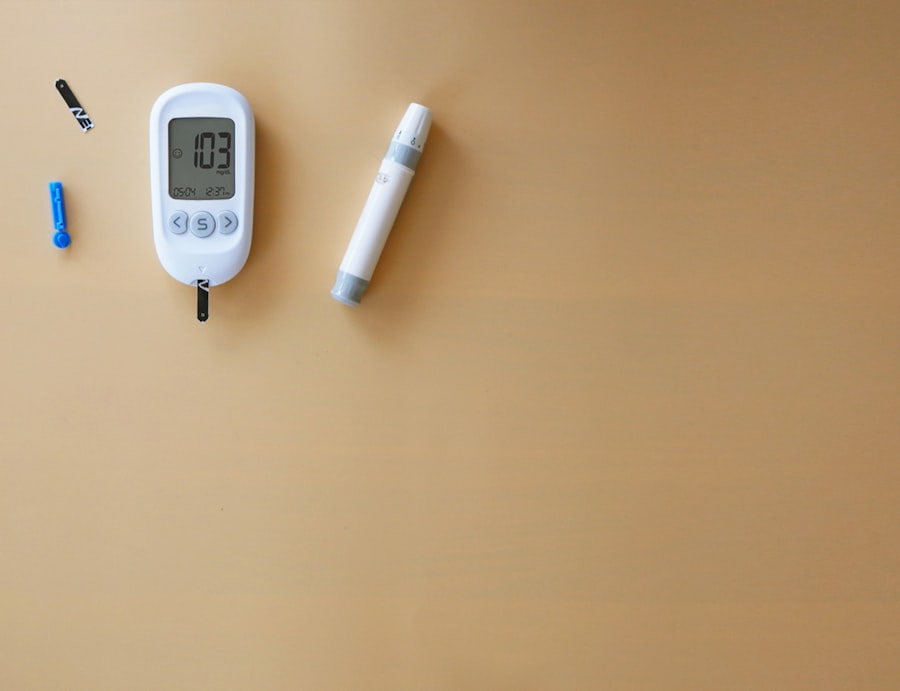
Healthcare providers often recommend using a glucometer to check blood sugar levels at various times, such as before meals or after exercise. Continuous glucose monitoring systems are also available for those who require more detailed insights into their glucose patterns. By keeping track of these readings over time, individuals can identify trends and make necessary adjustments to their management strategies. Regular testing not only empowers individuals but also facilitates informed discussions with healthcare professionals about their treatment plans.
Getting Sufficient Sleep for Blood Sugar Regulation
Sleep plays a crucial role in overall health and well-being, including blood sugar regulation. Poor sleep quality or insufficient sleep can lead to insulin resistance and increased appetite, both of which can negatively affect blood glucose levels. Studies have shown that individuals who do not get enough restorative sleep are at a higher risk of developing type 2 diabetes.
To promote better sleep hygiene, individuals should establish a consistent sleep schedule by going to bed and waking up at the same time each day. Creating a relaxing bedtime routine can also signal the body that it is time to wind down. Limiting exposure to screens before bedtime and ensuring a comfortable sleep environment are additional strategies that can enhance sleep quality. By prioritizing sufficient sleep, individuals can support their efforts in managing blood sugar levels effectively.
Seeking Support and Guidance from Healthcare Professionals
Navigating blood sugar management can be complex, making it essential to seek support from healthcare professionals. Doctors, dietitians, and diabetes educators can provide valuable insights tailored to individual needs. They can help develop personalized management plans that consider medical history, lifestyle factors, and personal preferences.
Regular check-ups with healthcare providers allow for ongoing assessment of blood sugar control and adjustments to treatment plans as needed. Additionally, support groups or counseling services may offer emotional support and practical advice from others facing similar challenges. Engaging with healthcare professionals ensures that individuals have access to the latest information and resources necessary for effective blood sugar management.
In conclusion, managing blood sugar levels involves a multifaceted approach that includes dietary changes, regular exercise, stress management, monitoring practices, sleep hygiene, and professional support. By understanding the importance of these elements and implementing them into daily life, individuals can take proactive steps toward achieving better health outcomes and reducing the risk of complications associated with abnormal blood sugar levels.