

Social wellness is a crucial aspect of our overall health that often gets overlooked. It encompasses the relationships we build, the connections we maintain, and the sense of belonging we cultivate within our communities. When we think about wellness, we often focus on physical health or mental well-being, but social wellness plays an equally vital role. It influences our emotional state, impacts our stress levels, and can even affect our physical health. Engaging with others can lead to a more fulfilling life, providing support during tough times and enhancing our happiness during good times.
Moreover, social wellness is not just about having friends or acquaintances; it’s about the quality of those relationships. Strong social ties can lead to a greater sense of purpose and belonging, which are essential for mental health. Studies have shown that individuals with robust social networks tend to experience lower levels of anxiety and depression. They also report higher levels of life satisfaction. In essence, nurturing our social wellness can lead to a healthier, happier life.
Key Takeaways
- Social wellness is an important aspect of overall well-being, impacting mental, emotional, and physical health.
- Friendships have a significant impact on health, with strong social connections linked to lower rates of depression and anxiety.
- As we age, social connections may change, but maintaining friendships remains crucial for overall wellness.
- Overcoming barriers to socializing after 60, such as retirement or physical limitations, is essential for maintaining social wellness.
- Building and maintaining friendships requires effort and strategies such as joining community groups and seeking professional support when needed.
The Impact of Friendship on Health
Friendship has a profound impact on our health, both mentally and physically. Research indicates that having close friends can lead to lower blood pressure, reduced risk of chronic diseases, and even a longer lifespan. Friends provide emotional support during challenging times, which can help mitigate stress and its associated health risks. When we share our experiences with friends, we often find that our burdens feel lighter, and our joys feel more significant.
Additionally, friendships encourage healthier behaviors. Friends can motivate each other to exercise, eat well, and engage in activities that promote well-being. For instance, if you have a friend who enjoys hiking, you might be more inclined to join them on outdoor adventures rather than staying indoors. This shared motivation can lead to improved physical health and a more active lifestyle. Ultimately, friendships are not just about companionship; they are integral to maintaining a healthy lifestyle.
How Social Connections Change as We Age

As we age, the nature of our social connections often shifts. In younger years, friendships may be formed through school, work, or shared activities. However, as we transition into later stages of life, these connections can become less frequent due to various factors such as retirement, relocation, or the loss of loved ones. This shift can lead to feelings of loneliness and isolation if not addressed.
Despite these challenges, aging can also present opportunities for new social connections. Many older adults find themselves with more time to explore interests and hobbies that can lead to meeting new people. Community centers, clubs, and volunteer organizations often cater to older adults looking to expand their social circles. While it may take some effort to adapt to these changes, embracing new opportunities can lead to fulfilling relationships that enhance one’s quality of life.
Overcoming Barriers to Socializing After 60
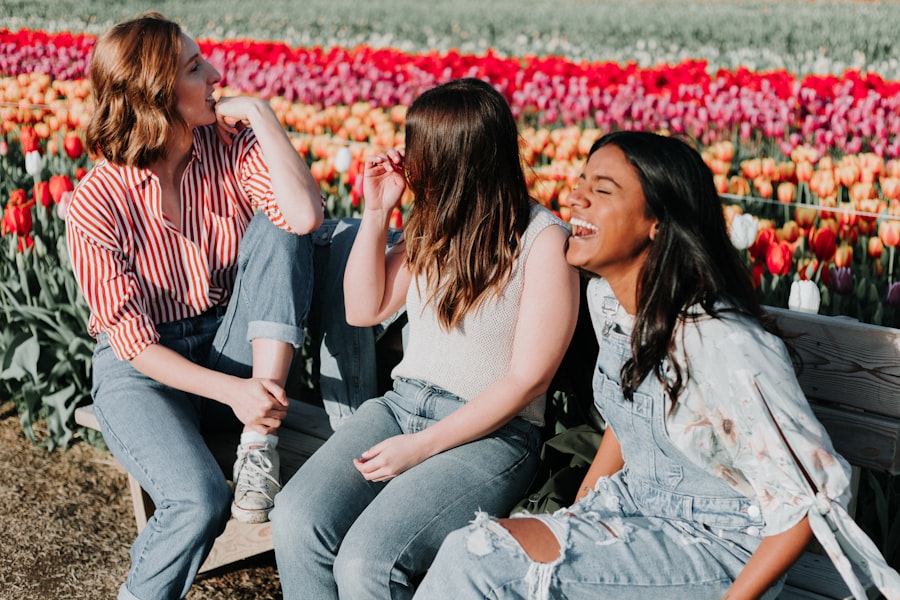
For many individuals over 60, barriers to socializing can feel daunting. Physical limitations, mobility issues, or health concerns may make it challenging to engage in social activities. Additionally, the loss of friends or family members can create a sense of reluctance to seek out new connections. However, recognizing these barriers is the first step toward overcoming them.
One effective approach is to start small. Engaging in local community events or joining clubs that align with personal interests can provide low-pressure environments for meeting new people. Online platforms also offer opportunities for connection without the need for physical presence. Virtual meetups or social media groups focused on specific interests can help bridge the gap for those who may find it difficult to socialize in person. By taking gradual steps and being open to new experiences, older adults can successfully navigate these barriers and foster meaningful connections.
Strategies for Building and Maintaining Friendships
| Metrics | Data |
|---|---|
| Number of social interactions per week | 10 |
| Percentage of seniors with close friends | 75% |
| Impact of social connections on mental health | Positive |
| Number of social activities participated in per month | 5 |
Building and maintaining friendships requires effort and intention, especially as we age. One effective strategy is to prioritize regular communication with friends and family. Simple gestures like phone calls, text messages, or even handwritten notes can go a long way in nurturing relationships. Scheduling regular catch-ups or outings can also help keep friendships alive and thriving.
Another important aspect is being open to new friendships. This might mean stepping out of your comfort zone by attending local events or joining classes that interest you. Engaging in activities that you enjoy not only enhances your well-being but also increases the likelihood of meeting like-minded individuals. Remember that building friendships takes time; patience and persistence are key. By actively seeking connections and investing in existing ones, you can create a supportive network that enriches your life.
The Role of Community and Social Groups
Community plays a significant role in fostering social wellness. Being part of a community provides a sense of belonging and connection that is essential for emotional health. Local organizations often offer various programs designed to bring people together around shared interests or goals. Whether it’s a book club, gardening group, or fitness class, these social groups create opportunities for interaction and friendship.
Moreover, community involvement can enhance one’s sense of purpose. Volunteering for local charities or participating in community events not only helps others but also allows individuals to connect with those who share similar values and passions. This sense of contribution can be incredibly fulfilling and can lead to lasting friendships built on shared experiences and mutual support.
The Benefits of Intergenerational Friendships
Intergenerational friendships offer unique benefits that enrich both parties involved. These relationships bridge the gap between different age groups, allowing for the exchange of wisdom and fresh perspectives. Older adults can share their life experiences and knowledge with younger individuals, while younger friends can introduce new ideas and technologies that may be unfamiliar.
Such friendships can combat age-related stereotypes and foster understanding between generations. They create opportunities for learning and growth on both sides. For older adults, engaging with younger individuals can help combat feelings of isolation and keep them connected to contemporary culture. For younger individuals, having older friends provides valuable insights into life’s challenges and triumphs. Ultimately, intergenerational friendships contribute to a more cohesive community where everyone feels valued.
Seeking Professional Support for Social Wellness
Sometimes, despite our best efforts, building social connections can be challenging due to underlying issues such as anxiety or depression. In such cases, seeking professional support can be beneficial. Therapists or counselors specializing in social wellness can provide guidance on overcoming barriers to socializing and developing effective strategies for building relationships.
Professional support can also help individuals understand their feelings of loneliness or isolation better. Through therapy, one can explore underlying issues that may hinder social interactions and work toward developing healthier coping mechanisms. Additionally, support groups offer a space where individuals facing similar challenges can connect and share experiences in a safe environment. Seeking help is not a sign of weakness; rather, it’s a proactive step toward enhancing one’s social wellness and overall quality of life.
In conclusion, social wellness is an essential component of our overall health that deserves attention at every stage of life. By understanding the importance of friendships, recognizing how social connections change as we age, and actively working to overcome barriers to socializing, we can foster meaningful relationships that enhance our well-being. Whether through community involvement or seeking professional support when needed, prioritizing social wellness is key to living a fulfilling life as we grow older.