YOUTH VIOLENCE PREVENTION PROGRAM
Funded by the Orange County Citizens’ Commission for Children
The Youth Violence Prevention Program is a community-based initiative designed to reduce youth violence before it occurs. The program connects young people with structured activities, positive adult role models, academic and career support, leadership opportunities, and evidence-based prevention services that strengthen the protective factors in their lives.
The program serves youth who may be exposed to community violence, struggling academically, experiencing peer conflict, influenced by negative social pressures, at risk of delinquency or justice-system involvement, lacking consistent adult support, or living in communities with limited access to safe and constructive activities.
PROGRAM PURPOSE
Youth violence rarely results from one isolated factor. A young person’s decisions may be influenced by family circumstances, community conditions, school experiences, peer relationships, exposure to violence, limited opportunities, or a lack of positive guidance.
The Youth Violence Prevention Program addresses these conditions without defining or labeling young people by their behavior, environment, or past experiences. The program recognizes participants as individuals with abilities, interests, goals, and the capacity to make positive decisions when they receive appropriate opportunities and support.
The purpose is to intervene before conflict, disengagement, or risky behavior develops into serious violence or long-term justice-system involvement. Prevention services focus on replacing risk with positive opportunities, strengthening relationships with responsible adults, improving connections to school and community, and helping participants develop a positive identity and realistic vision for their future.
PROGRAM CONCEPT
The program is built around positive youth development. Rather than focusing exclusively on what young people should not do, the program gives participants constructive activities, supportive relationships, practical skills, and meaningful goals toward which they can direct their energy.
Participants receive life-skills and character-development instruction, conflict-resolution training, academic support, career preparation, leadership development, community-service opportunities, and access to recreational, creative, technical, and educational activities.
These experiences help participants develop self-control, communication, problem-solving, personal responsibility, resilience, confidence, and the ability to consider the consequences of their decisions.
CARING ADULT MENTORSHIP
Small-group mentoring is a central part of the program. Participants maintain regular contact with caring adults who provide positive role modeling, encouragement, guidance, goal-setting assistance, and progress support.
Mentors help participants identify challenges, consider available choices, establish personal goals, and remain accountable for the steps required to achieve them. The mentoring relationship also gives young people access to adults who can listen, provide constructive feedback, recognize progress, and reinforce positive behavior.
Family communication and support are incorporated when appropriate. Families may receive information about participant goals, progress, available resources, and ways to reinforce positive development outside program sessions.
REFERRAL AND ENROLLMENT
Youth may enter the program through parent or self-enrollment, school referrals, juvenile justice or law-enforcement referrals, community organizations, social-service agencies, or behavioral-health providers.
Multiple referral pathways allow the program to reach both youth who are beginning to experience difficulties and those who may already be involved with formal support systems. Referral does not automatically define a participant as violent, delinquent, or problematic. It provides an opportunity to identify needs and connect the young person with appropriate prevention services.
SERVICES AND ACTIVITIES
Services may be delivered through after-school sessions, weekend programming, summer programming, community-based locations, school-based locations, and community outreach settings.
Depending on the participant’s needs and assigned community partner, activities may include:
Life-skills and character-development education.
Conflict resolution and positive decision-making.
Academic enrichment and tutoring.
Career exploration and workplace readiness.
Financial literacy and entrepreneurship.
Leadership development and community service.
STEM education and technical activities.
College preparation and educational enrichment.
Health, wellness, and physical fitness.
Arts, music, drama, podcasting, and creative expression.
Woodworking, general auto mechanics, and home economics.
Mentoring, cultural enrichment, and personal development.
These activities are not provided merely to occupy participants’ time. They are used as engagement tools through which youth can practice discipline, teamwork, communication, persistence, leadership, responsibility, and constructive problem-solving.
INDIVIDUALIZED SUPPORT AND PROGRESS MONITORING
Participants may complete an intake or needs assessment to identify their strengths, challenges, interests, and service needs. Individual goals or service plans may then be developed to guide participation.
Progress may be monitored through attendance and participation records, mentor observations, progress notes, school or family feedback, and pre-program and post-program assessments. This information helps staff determine whether participants are consistently engaged, developing targeted skills, progressing toward personal goals, or requiring additional support.
The monitoring process also helps FEC and its community partners evaluate participation and intended program outcomes while maintaining shared service expectations.
FEC AND COMMUNITY-PARTNER STRUCTURE
FEC coordinates the overall Youth Violence Prevention Program and works with trusted community-based organizations that bring specialized experience, relationships, activities, and service approaches.
FEC’s role includes coordinating services, referring youth to appropriate partners, establishing shared service expectations, monitoring participation and outcomes, and connecting partner organizations with available resources.
Each partner retains the ability to provide specialized activities that reflect its expertise and the interests and needs of the youth it serves. This structure creates a broad network of prevention opportunities while maintaining a shared commitment to mentoring, positive youth development, educational success, and violence prevention.
INTENDED PROGRAM OUTCOMES
The Youth Violence Prevention Program is designed to help participants:
Reduce conflicts and violent or aggressive behavior.
Improve decision-making and self-control.
Develop positive conflict-resolution skills.
Build stronger relationships with adults and peers.
Increase school engagement or academic achievement.
Strengthen confidence, resilience, and personal responsibility.
Improve communication, teamwork, and leadership skills.
Develop clearer educational and career goals.
Participate in constructive recreational and educational activities.
Strengthen their connection to school, family, and community.
Develop a positive identity and productive vision for the future.
COMMUNITY PARTNERS:
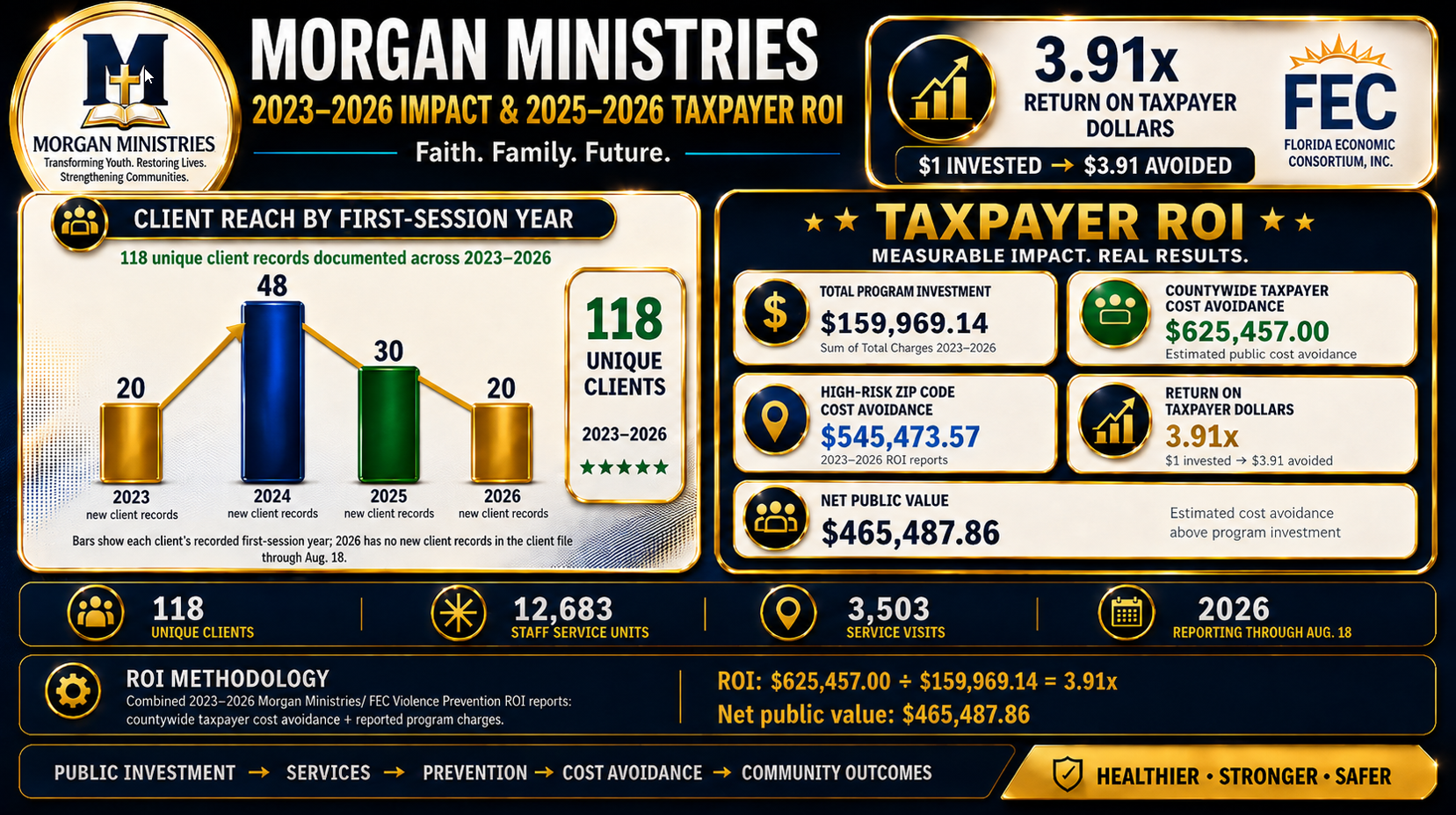
MORGAN MINISTRIES, INC.
Ages 13–23
Morgan Ministries, Inc. strengthens families and empowers youth through mentoring, life-skills training, leadership development, career readiness, entrepreneurship, STEM education, arts, music, woodworking, general auto mechanics, home economics, college preparation, healthy-living education, community service, and character-building activities.
Its broad range of practical, technical, educational, and creative activities gives participants opportunities to discover their interests, develop useful skills, and experience achievement in a structured environment. These activities reinforce responsibility, teamwork, confidence, preparation, and positive decision-making.
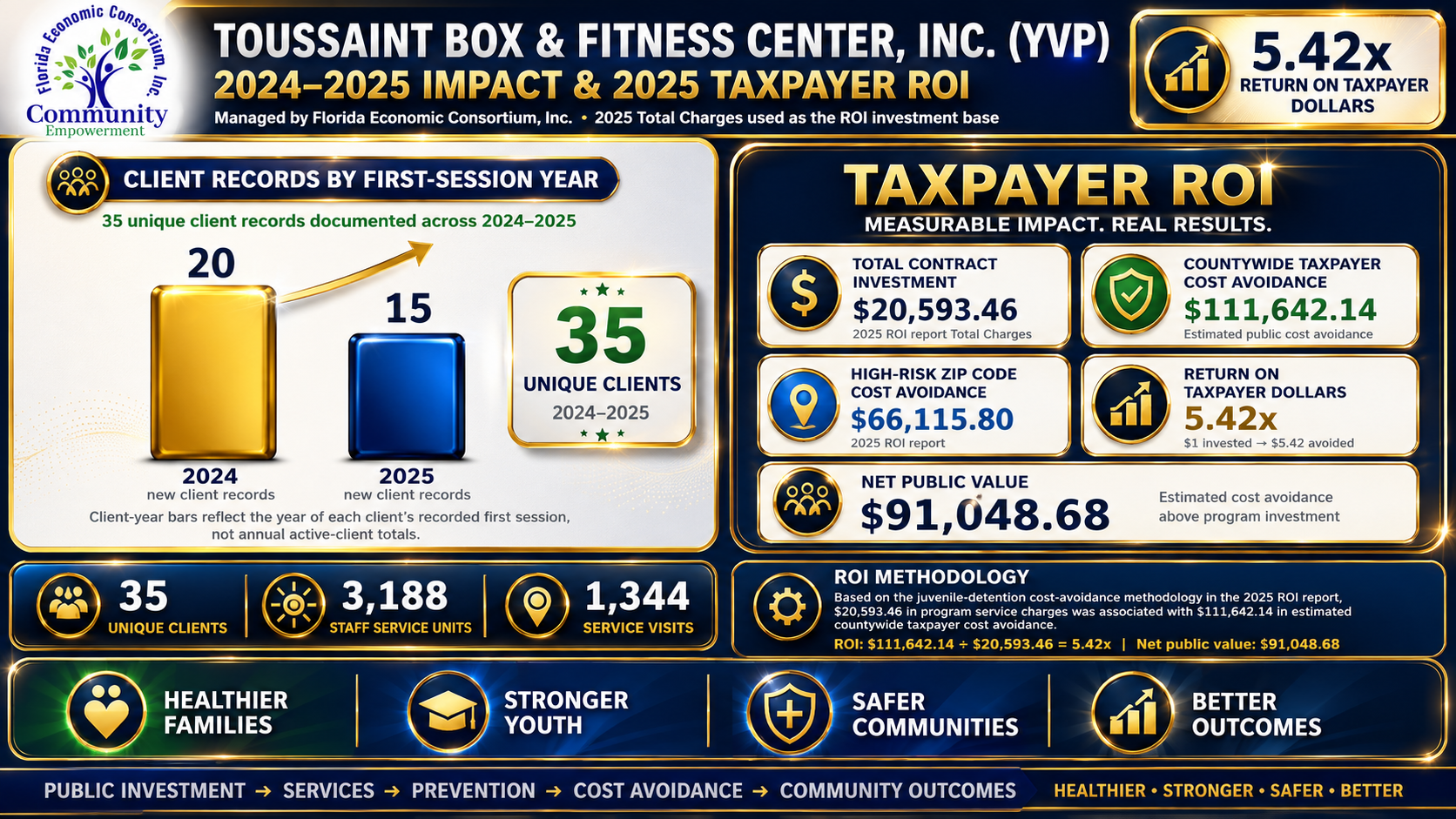
TOUSSAINT BOXING GYM & FITNESS CENTER, INC.
Ages 13–24
Toussaint Boxing Gym & Fitness Center, Inc. engages predominantly male youth through structured mentoring, boxing and physical-fitness instruction, health and wellness education, academic support, leadership development, conflict resolution, and career readiness.
Boxing and fitness activities provide a structured setting for developing discipline, confidence, respect, persistence, emotional control, and personal responsibility. Participants are supported in applying these qualities to school, relationships, career preparation, and everyday decision-making.
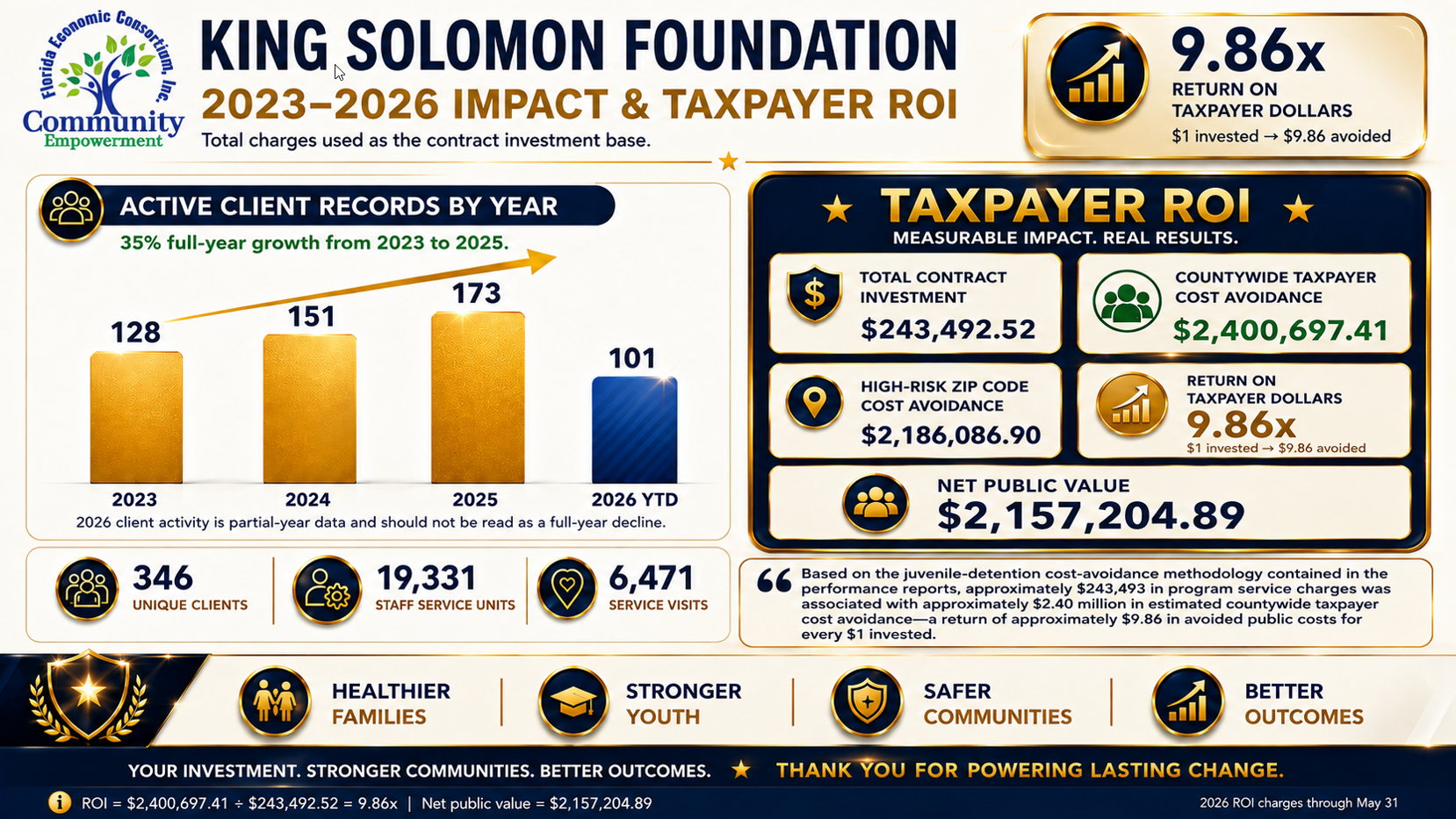
KING SOLOMON FOUNDATION
Ages 13–24
King Solomon Foundation provides community-based outreach and mentoring through small-group mentoring, life-skills training, academic support, health awareness, cultural enrichment, college tours, delinquency-prevention mentoring, and youth leadership development.
The organization helps participants strengthen their connection to education, community, positive adults, and future opportunities. College tours and cultural experiences expand participants’ awareness of educational possibilities and environments beyond their immediate surroundings.
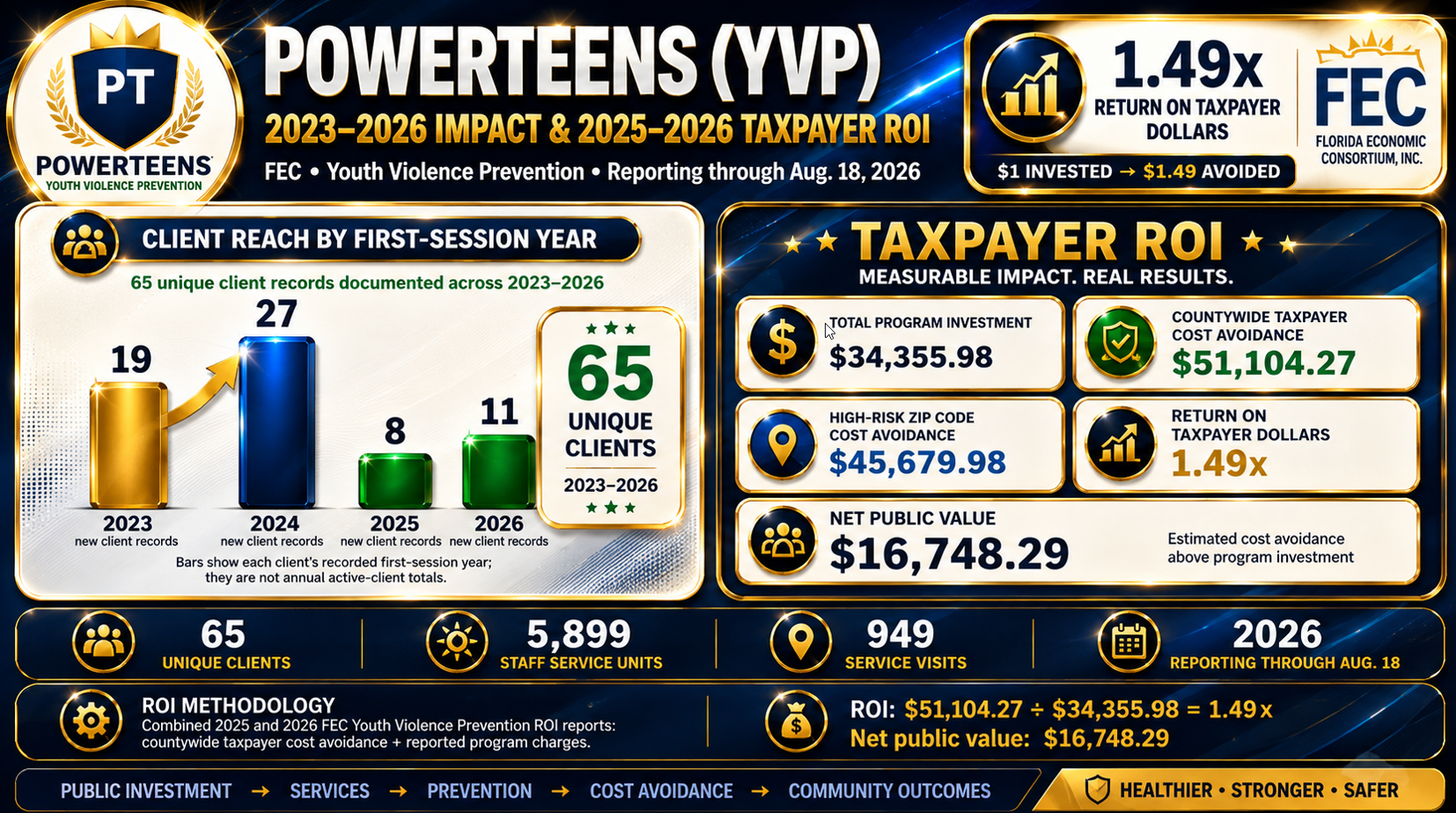
POWER TEENS, INC.
Ages 13–17
Power Teens, Inc. helps participants build character, resilience, confidence, and healthy lifestyles through mentoring, life-skills education, financial literacy, entrepreneurship, leadership development, career readiness, college preparation, and health and wellness education.
Creative opportunities include podcasting, performing arts, music production, pottery, drama, and talent development. These activities give participants constructive ways to communicate, collaborate, develop their abilities, and express themselves while learning discipline and personal responsibility.
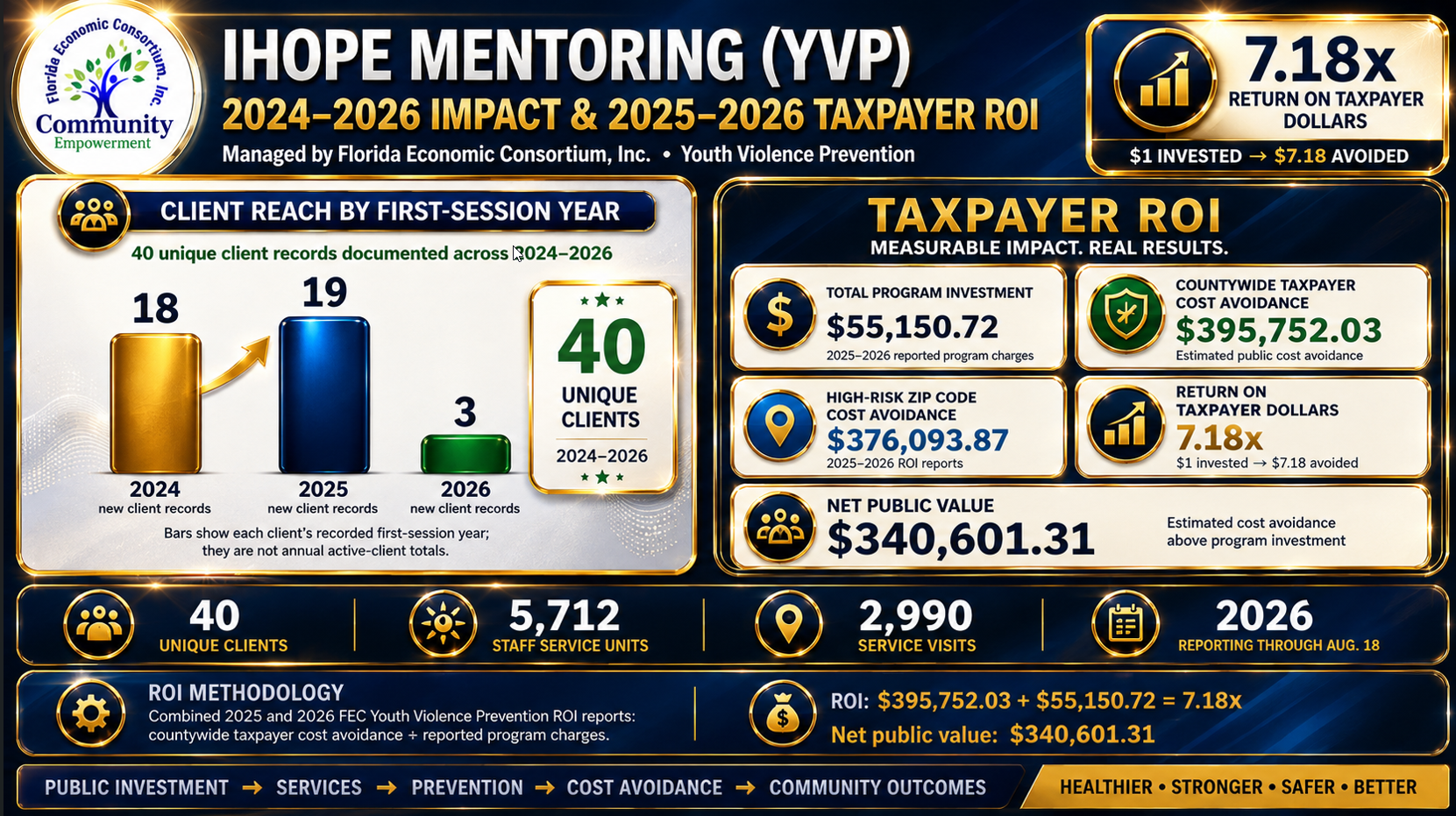
IHOPE MENTORING
Ages 12–17
IHope Mentoring places a concentrated emphasis on violence prevention through comprehensive mentoring, life-skills training, academic support, character development, educational enrichment, leadership development, career exploration, and personal-growth opportunities.
Its services help participants examine choices, manage conflict, strengthen self-control, improve academic engagement, and develop the personal skills needed to respond constructively to pressure and difficult situations.